
Service discipline
Bluffs and Ravines
Engineered stabilization and restoration solutions for North Shore bluff and ravine systems.
Protecting the North Shore landscape
The unique topography of the North Shore requires specialized engineering to protect both property and natural systems. Bleck provides context-sensitive designs for stabilization, restoration, and long-term resilience.
Our team works with regulatory agencies and stakeholders to deliver solutions that balance development needs with environmental stewardship.
What we offer
Our services
Our work
Featured projects
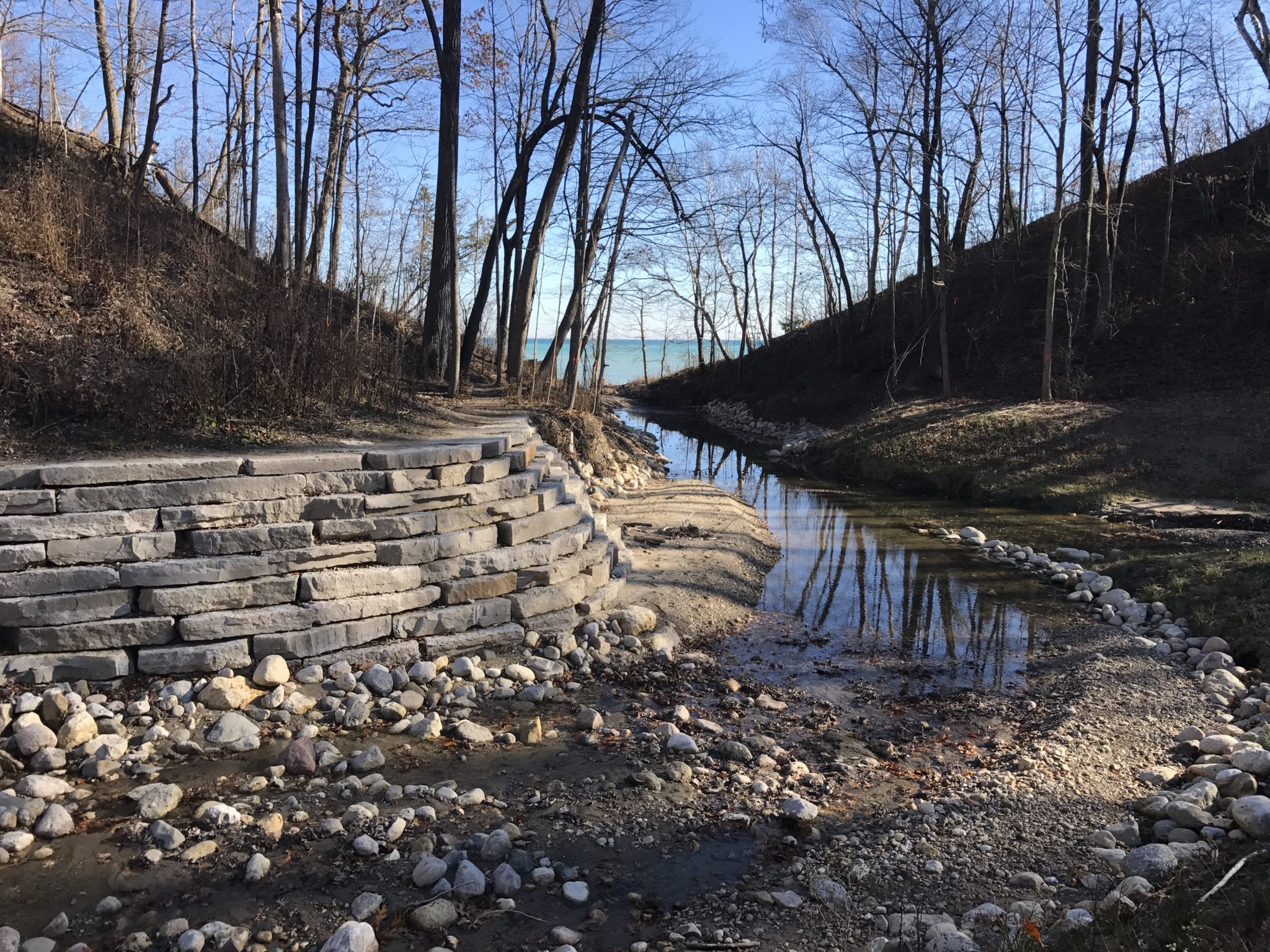
Fort Sheridan Ravine & Coastal Restoration
Multi-year project providing surveying and civil engineering services for ravine and coastal restoration along Lake Michigan. Work included new ravine thread lines, stone step pools, and rock riffles to stabilize the area.
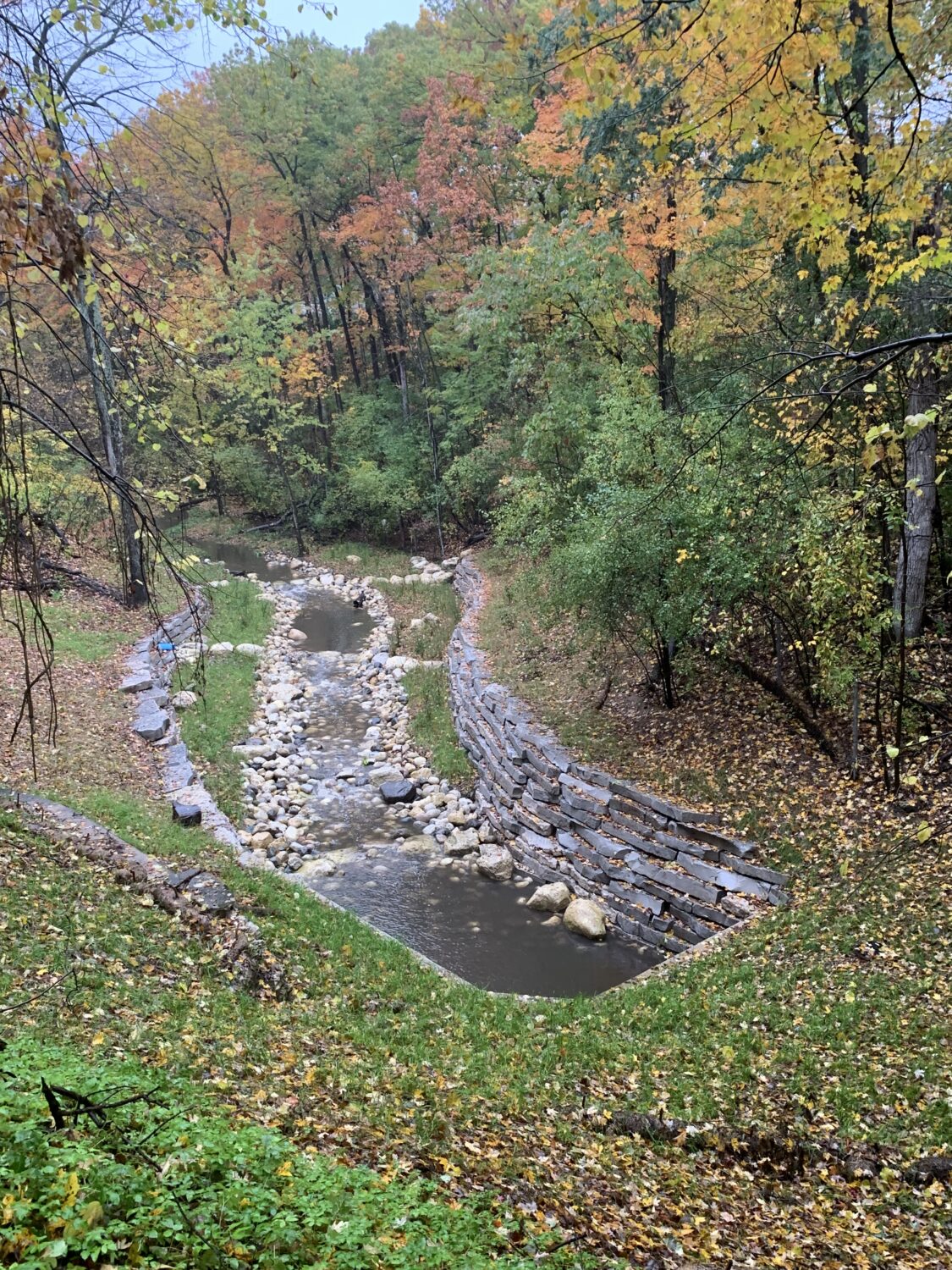
Walden Ravine Culvert & Stabilization Improvements
Bleck Engineering was retained by the City of Lake Forest to address a critical infrastructure failure at Walden Ravine, where a collapsed headwall at the Ringwood Road land bridge obstructed water flow and raised concerns about ravine stability and roadway safety. The project focused on rehabilitating a century-old brick culvert, stabilizing the ravine, and improving drainage and safety along Ringwood Road. Upstream improvements included construction of a new concrete headwall and restoration of approximately **130 feet of stream channel** using rock riffles, stone step pools, and erosion control measures designed to moderate flow and enhance habitat. The culvert was structurally reinforced using a **spray-in-place pipe lining system**, preserving the existing structure while minimizing environmental disturbance. Downstream, a new storm sewer system and reinforced drainage structures were installed to manage roadway runoff and protect ravine slopes. Additional slope stabilization measures included stone armoring and gabion baskets. Roadway improvements included milling and resurfacing approximately **300 feet of Ringwood Road**, installation of curb and gutter to control runoff, and placement of timber guardrails to improve safety along the steep ravine edge. Bleck Engineering also assisted the City in coordinating permits with local, state, and federal agencies.
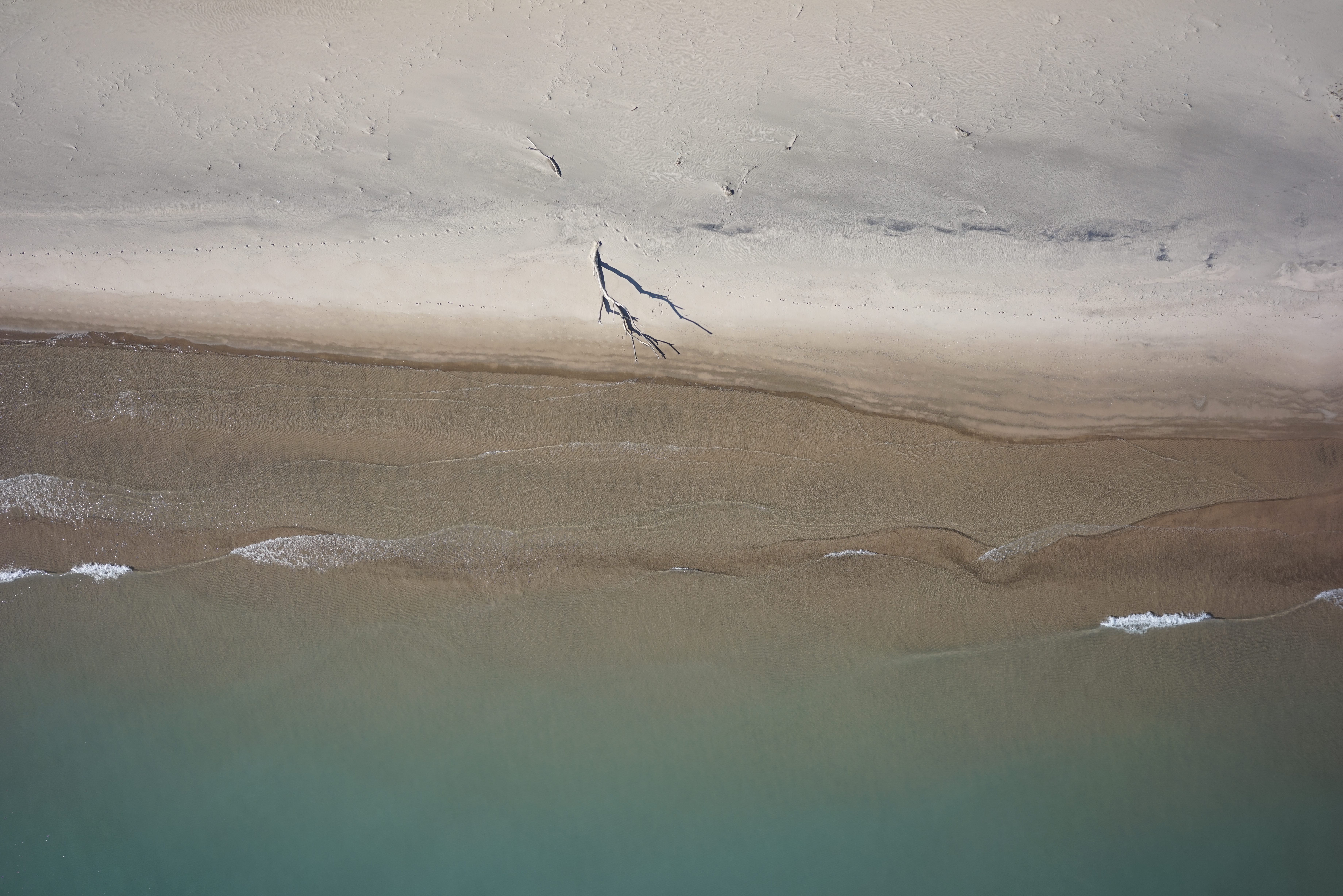
Waukegan Municipal Beach
In the fall of 2017 the City of Waukegan Engineering Department reached out to Bleck to complete a plat of survey with topographic information of their municipal beach. The survey encompassed over 60 acres of land and was done on International Great Lakes Datum 1985 (IGLD85). Bleck Engineering also captured aerial imagery of the entire property to aid in future planning for the city.
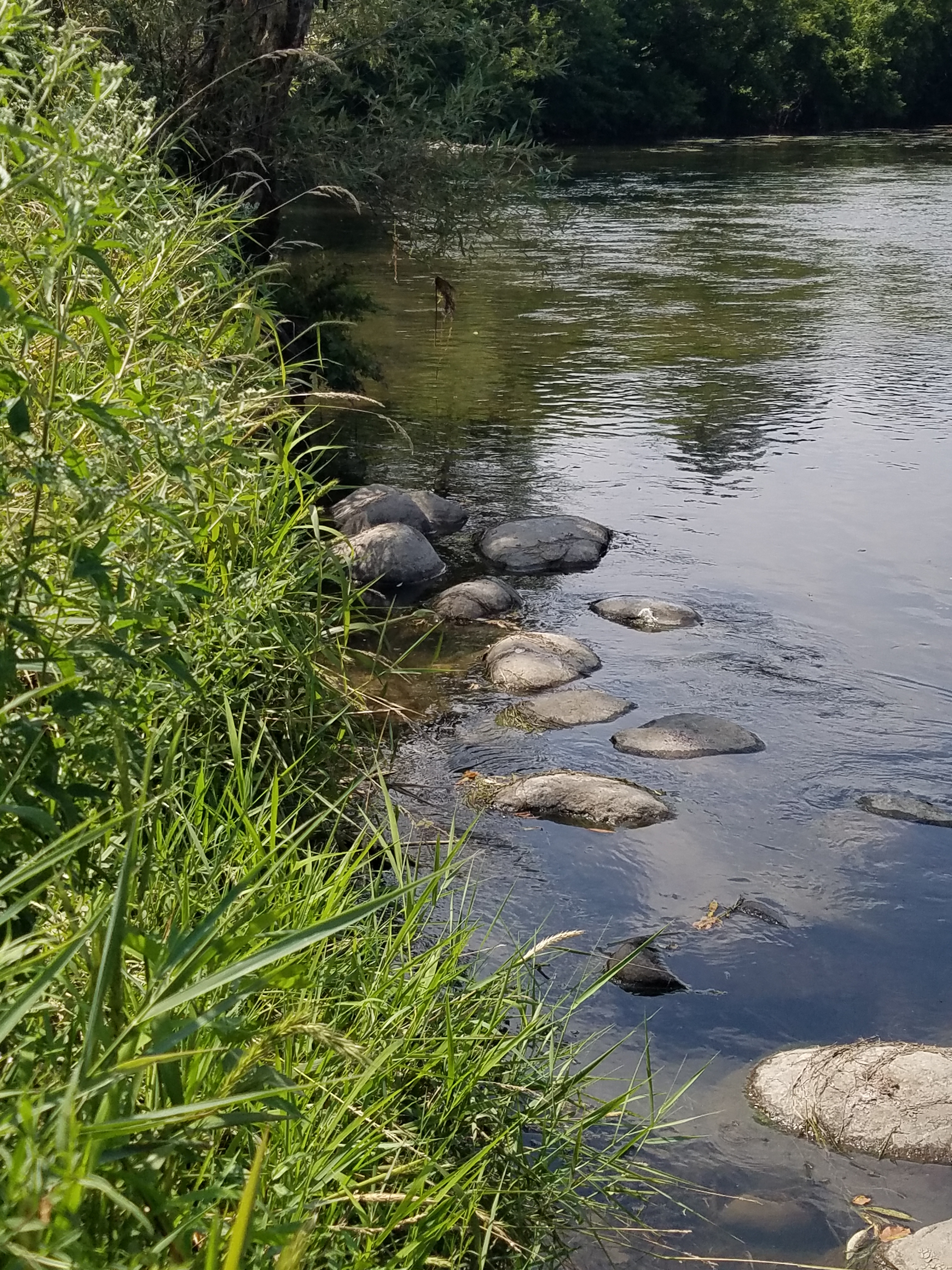
Pioneer Park Wetland Restoration
Pioneer Park is nestled along the DuPage River in Naperville. Bleck Engineering was tasked with the design of a two phase habitat restoration plan along the river. The design work for phase one included shoreline stabilization and boulder riffle outcroppings along the DuPage River. Phase two improvements included wet prairie, riparian woodland, and non-riparian woodland restoration within the floodway of the river.
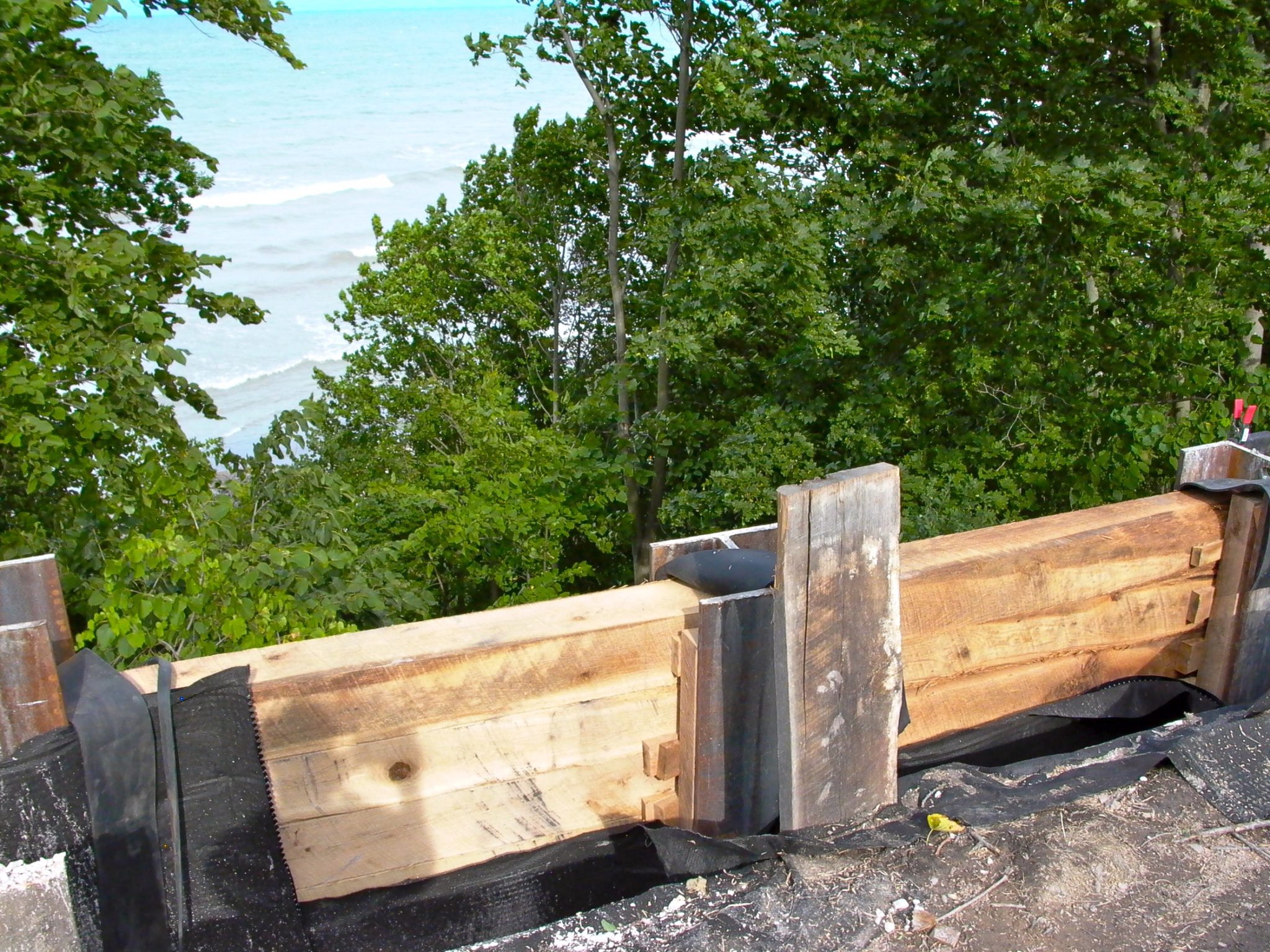
Private Residence – Soldier Beam and Lagging Wall
Bleck Engineering was hired to design a retaining wall to replace a timber retaining wall that was failing. The property overlooks Lake Michigan with a 65 foot high bluff. The home is situated 40 feet from an existing timber retaining wall that was failing. The new wall is 140' in length, with an exposed face 13' high. The wall was designed as a soldier pile retaining wall with drilled in steel H-piles and white oak timber lagging.
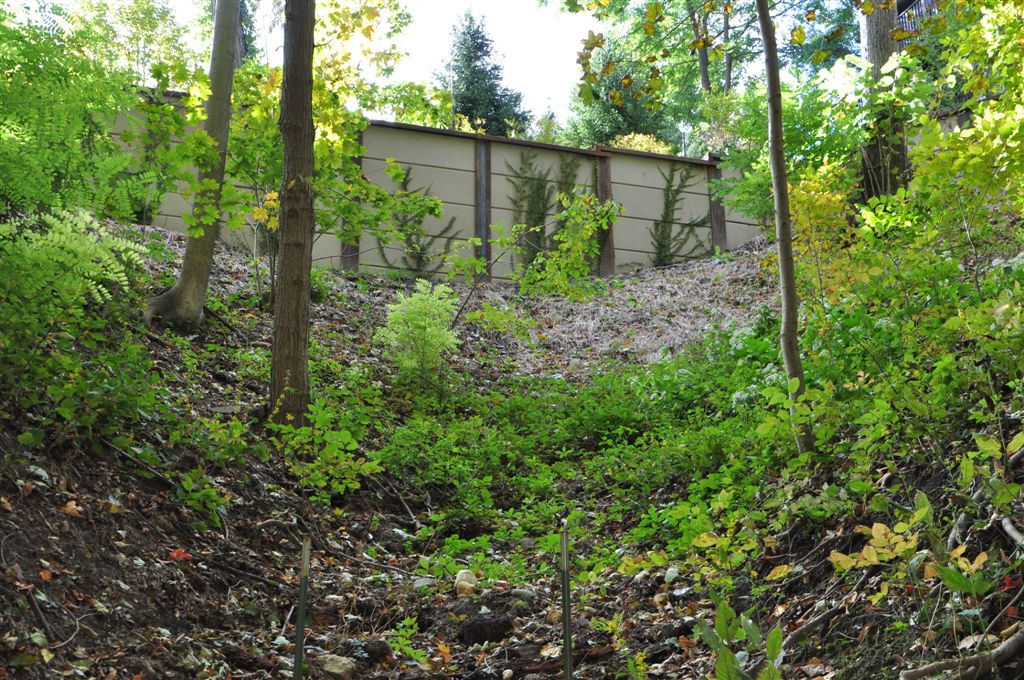
Private Residence – Soldier Beam and Lagging Wall
Bleck Engineering was approached by a homeowner who had a failing concrete and timber retaining wall that went right up to the detached garage and was 8 feet away from the residence. After assessing the site with the homeowner and gathering topographic and soil information, Bleck proposed that a new retaining wall be built in front of the existing failing wall. A soldier beam and lagging wall with concrete panels and a channel cap was chosen to help protect the real estate for the long term. The new wall is 400' in length with a maximum exposed face of 12' in height. Construction plans were designed to try and minimize the disruption to the table land as well as to provide an aesthetic quality to neighboring properties.