Project record
A look at our work shaping communities through civil engineering and surveying excellence.
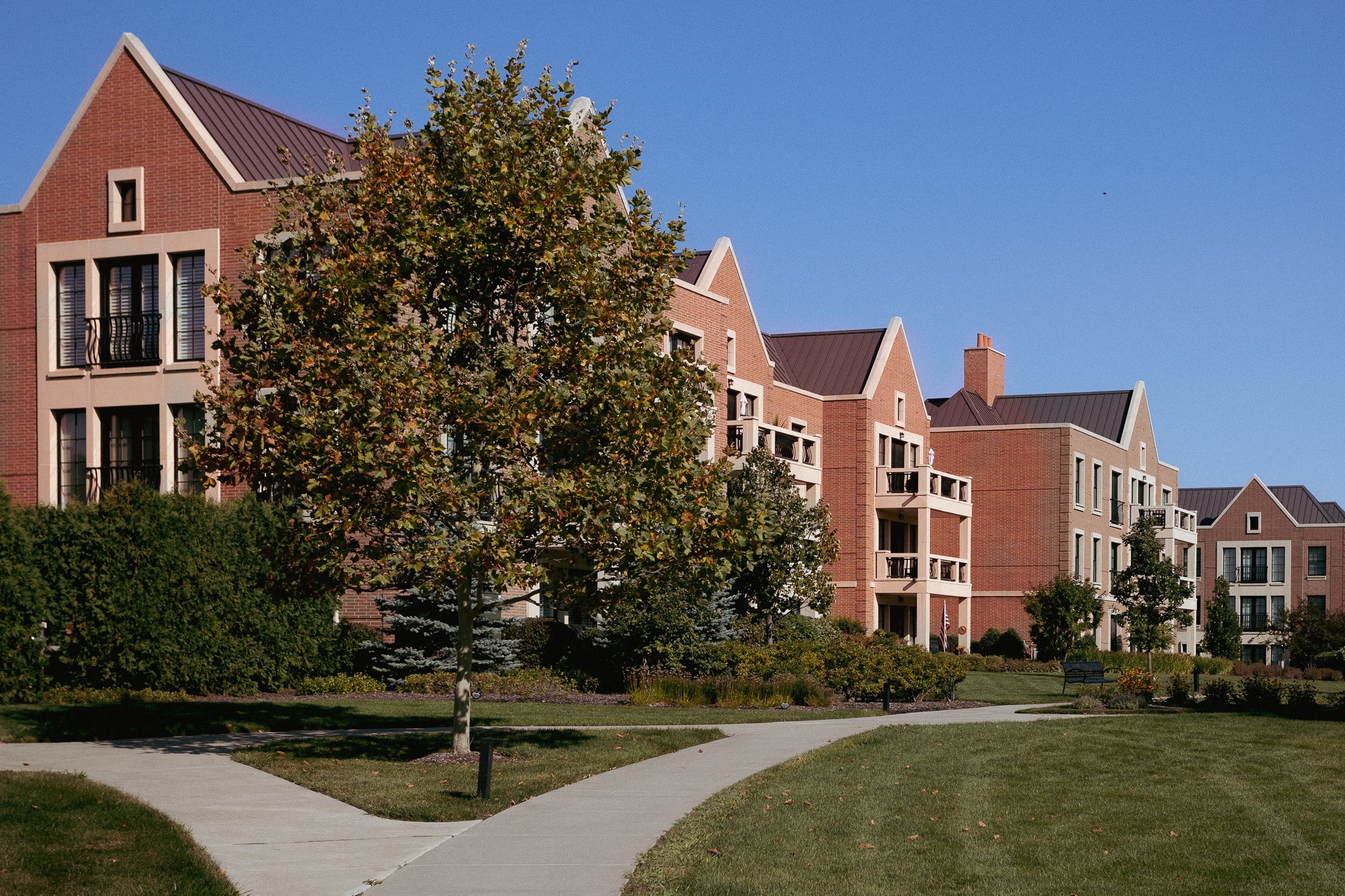
Kelmscott Park is a thoughtfully planned mixed-use residential development near the Central Business District of Lake Forest, Illinois. Redeveloped on the former City of Lake Forest Public Works site, the project transformed municipal land into a vibrant, walkable neighborhood that supports the city's long-term vision for downtown reinvestment. The development delivers **164 residential units**, including three apartment buildings with **110 luxury apartments and underground parking**, two condominium buildings with **42 residences with underground parking**, and **12 single-family homes**. This diverse mix of housing types creates a balanced residential community while remaining fully compatible with the architectural character and scale of Lake Forest. The project incorporates **underground parking structures** to support residential density while minimizing visual impacts and enhancing the pedestrian experience. A prominent corner of the site was preserved as public open space—now known as **Franklin Park**—providing a meaningful community amenity and reinforcing the project's commitment to placemaking. The project also preserved a majestic 54" swamp white oak dating back to prior to the incorporation of the City of Lake Forest in 1860. With direct access to downtown amenities, transit, and local services, Kelmscott Park exemplifies successful urban infill redevelopment. The **final condominium phase was completed in 2025**, marking the full realization of a carefully phased, mixed-use neighborhood that strengthens the fabric of downtown Lake Forest.
Providing master planning services to prepare the U.S. Forest Service for the future and meet REPLANT Act targets. The project focuses on optimizing 8 nursery and seed extractory locations across the United States to support planting 1.2 billion trees.
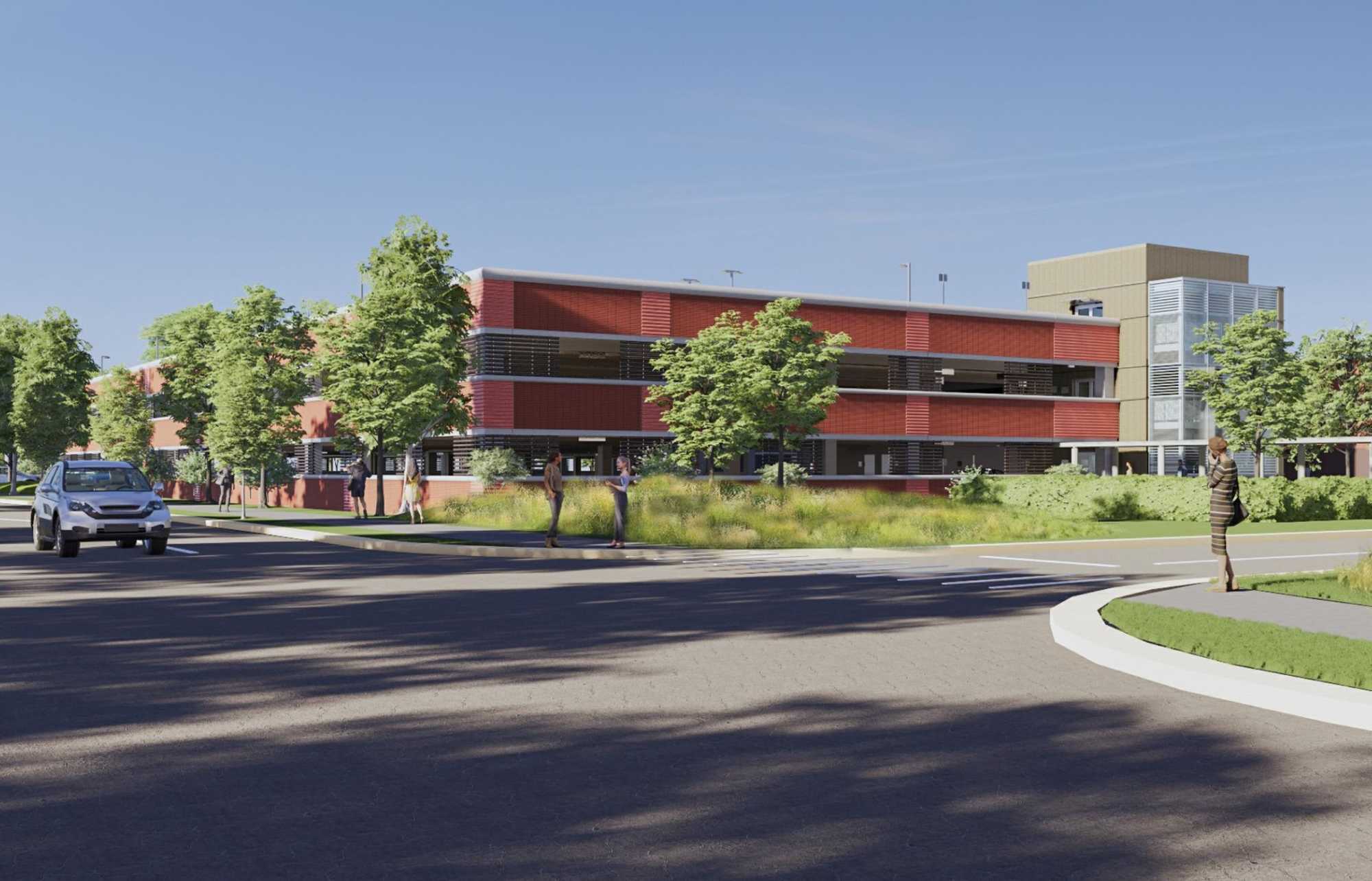
Part of the bed expansion project at Northwestern Lake Forest Hospital, the parking garage provides approximately 1,000 spaces to make up for the surface lots that were replaced as parcels for G & H Pavilions. Located adjacent to the Central Plant, the garage project includes relocation of the Helipad and relocation of utilities under the footprint of the garage.
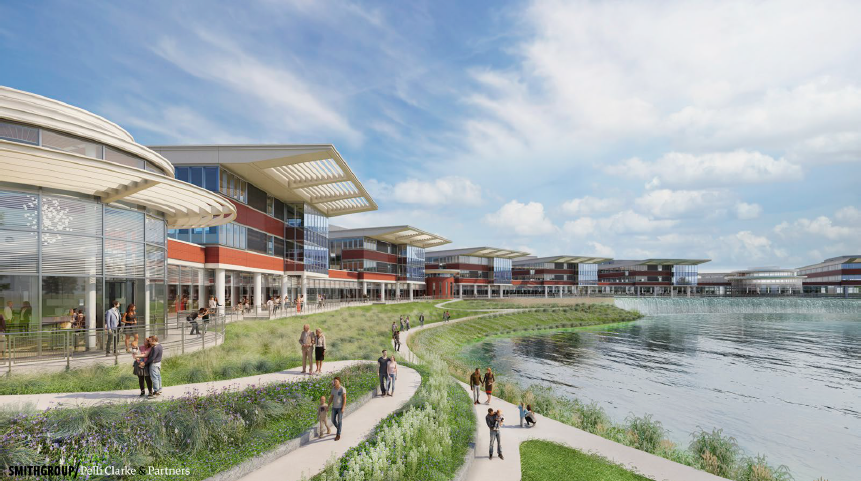
The addition of two new patient care pavilions to the hospitals will allow us to significantly expand capacity and enhance patient care services. This expansion represents a major step forward in meeting the growing healthcare needs of the community. The project's architecture and design will complement the current design of the hospital and the surrounding landscape. Native plants and plentiful areas of green space will contribute to the healing environment of the campus, while walking trails away from construction areas will continue to be open to the public.
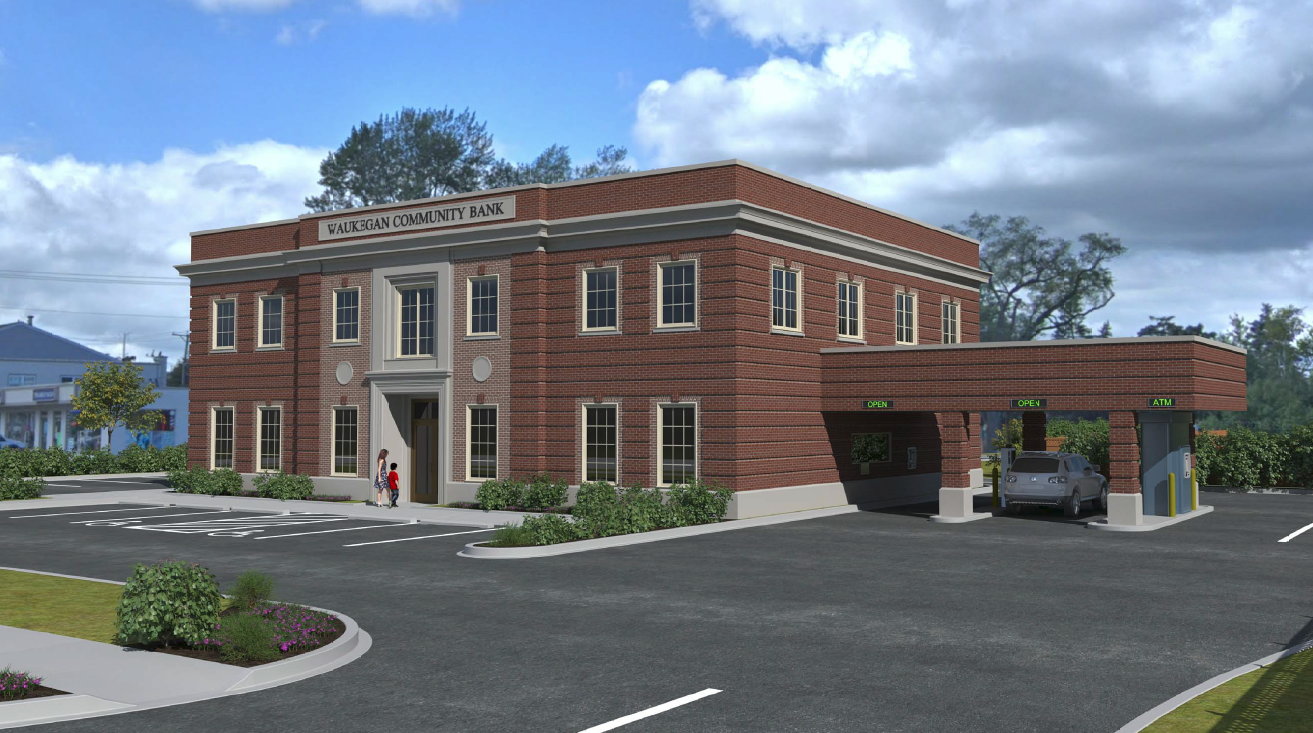
Commercial development project for Waukegan Community Bank, helping to improve the community one development at a time.
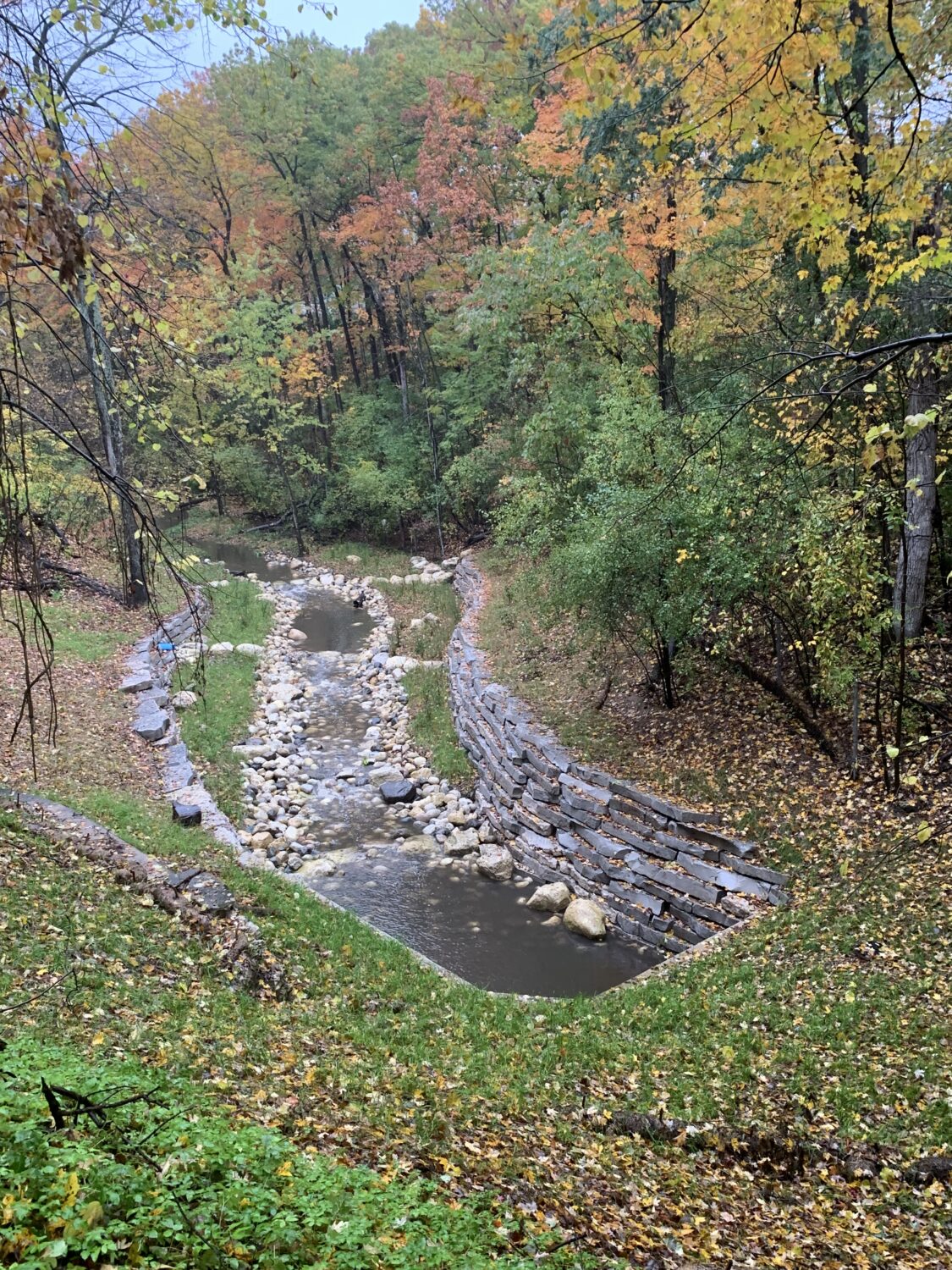
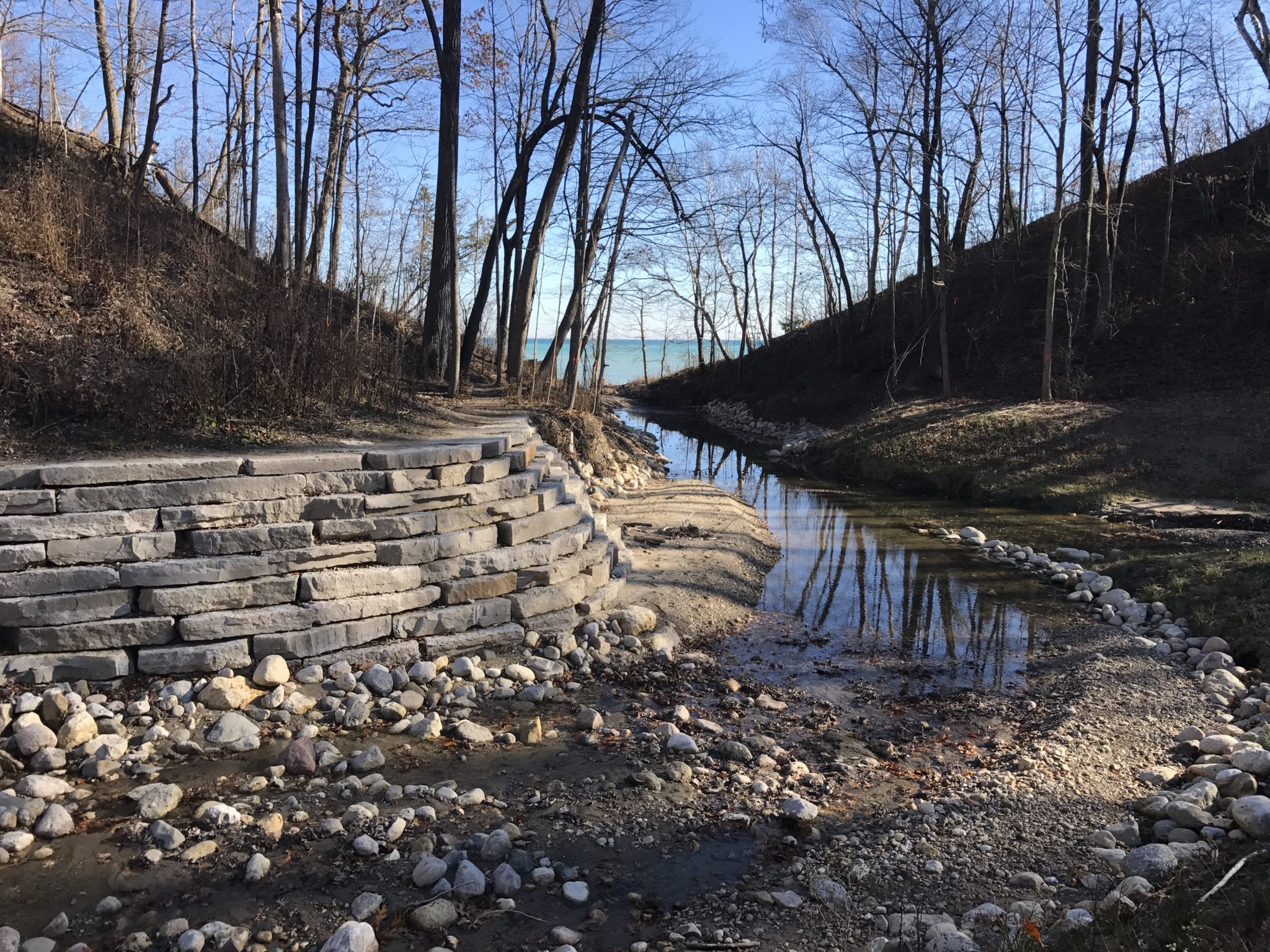
Bleck Engineering was retained by the City of Lake Forest to address a critical infrastructure failure at Walden Ravine, where a collapsed headwall at the Ringwood Road land bridge obstructed water flow and raised concerns about ravine stability and roadway safety. The project focused on rehabilitating a century-old brick culvert, stabilizing the ravine, and improving drainage and safety along Ringwood Road. Upstream improvements included construction of a new concrete headwall and restoration of approximately **130 feet of stream channel** using rock riffles, stone step pools, and erosion control measures designed to moderate flow and enhance habitat. The culvert was structurally reinforced using a **spray-in-place pipe lining system**, preserving the existing structure while minimizing environmental disturbance. Downstream, a new storm sewer system and reinforced drainage structures were installed to manage roadway runoff and protect ravine slopes. Additional slope stabilization measures included stone armoring and gabion baskets. Roadway improvements included milling and resurfacing approximately **300 feet of Ringwood Road**, installation of curb and gutter to control runoff, and placement of timber guardrails to improve safety along the steep ravine edge. Bleck Engineering also assisted the City in coordinating permits with local, state, and federal agencies.
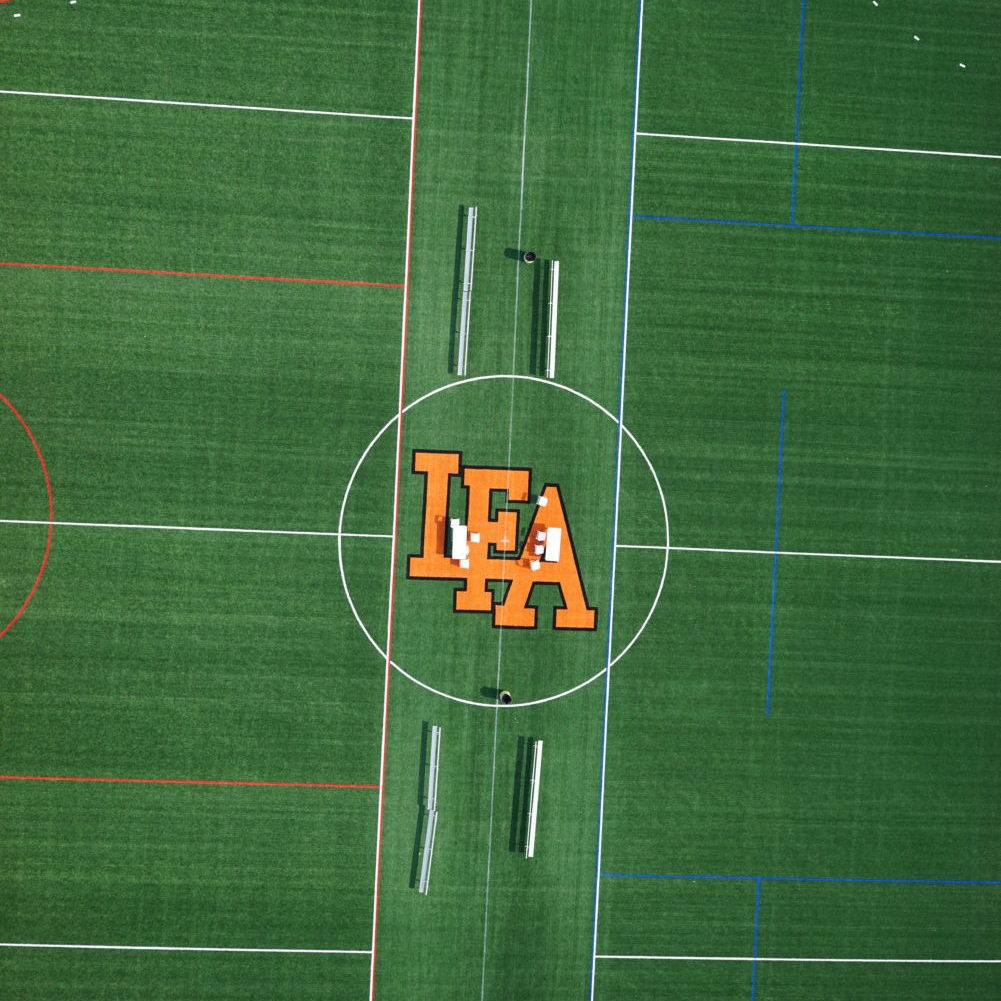
Bleck Engineering was retained by **Lake Forest Academy** to evaluate and improve athletic field conditions after recurring flooding of existing natural turf fields resulted in frequent game and practice cancellations. Following a feasibility study, Bleck prepared construction documents for a **3.5-acre multipurpose synthetic turf athletic field** designed to improve playability and meet all applicable water quality and stormwater runoff requirements. The project replaced natural turf with a high-performance field system that allows teams to practice and compete almost immediately after rain events—eliminating the multi-day downtime previously experienced. The design supported fundraising and approval efforts by providing a shovel-ready project for the school board. Constructed in the summer of 2018, the new athletic complex features **six NFHS-compliant fields**, including: 2 field hockey fields 1 boys lacrosse field 1 girls lacrosse field 1 softball field 1 soccer field The field was completed in time for use at the start of the 2018–2019 school year.
The **McKinley Condominium Residences** are a collection of premier downtown Lake Forest homes offering luxury living just steps from local dining, shops, parks, and commuter transit. Project Highlights 725 North McKinley Road: Phase 1 2018. 14 unit condominium 705 North McKinley Road: Phase 2 2020. 6 unit condominium building 711 North McKinley Road: Phase 3 2024. 6 unit condominium 363 Westminster: Phase 4 2025. Single Family Home 375 Westminster: Phase 5 2026. Single Family Home Additional Features Prime downtown Lake Forest location with unsurpassed walkability Strong neighborhood character with easy access to shops, restaurants, and transit Architectural coordination with the surrounding context These McKinley addresses represent a range of condominium living options within Lake Forest's lively downtown — from boutique multi-unit residences to smaller upscale buildings offering exceptional proximity to community amenities.
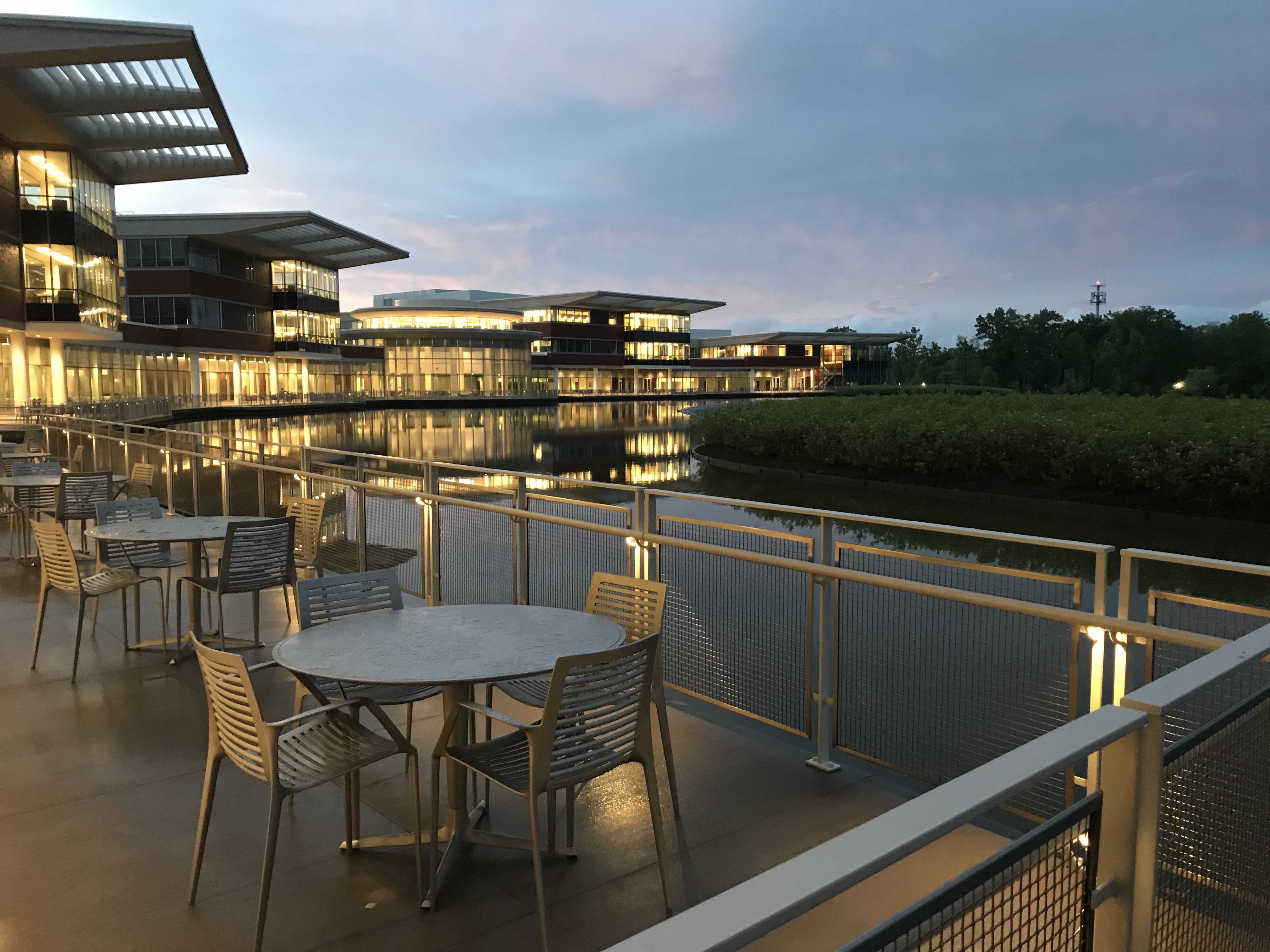
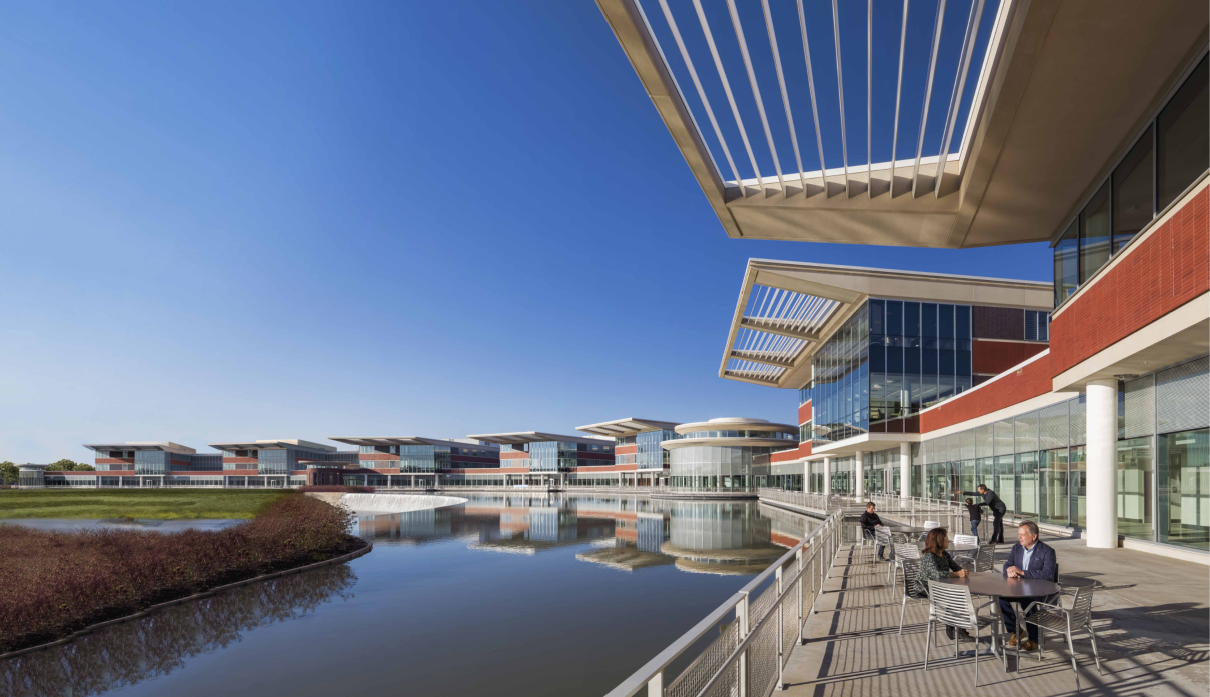
Bleck Engineering provided civil engineering services for a 160-acre campus featuring a new 483,500 square foot state-of-the-art hospital. The project integrated medical care with health and wellness through walking and biking trails and community spaces.
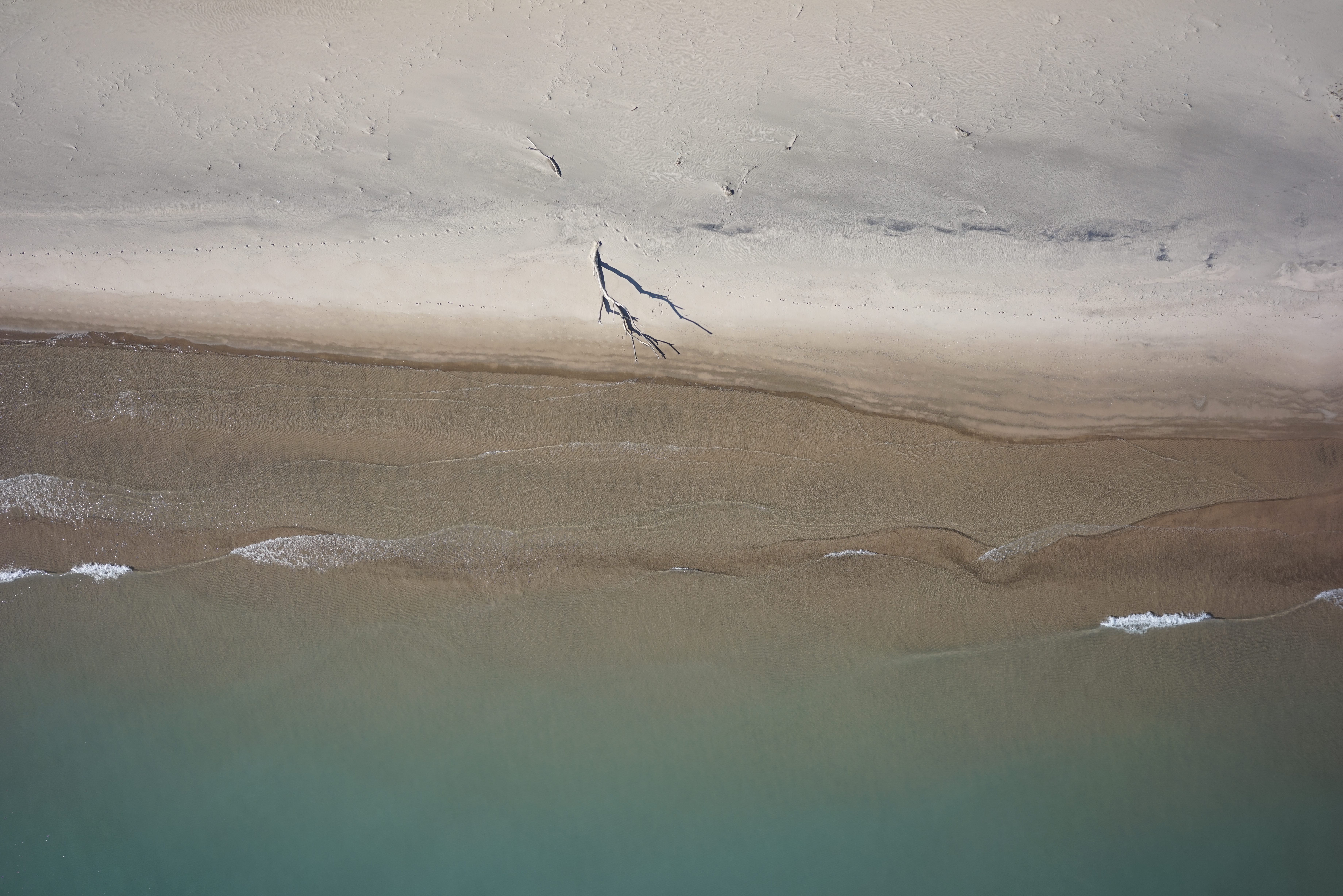
In the fall of 2017 the City of Waukegan Engineering Department reached out to Bleck to complete a plat of survey with topographic information of their municipal beach. The survey encompassed over 60 acres of land and was done on International Great Lakes Datum 1985 (IGLD85). Bleck Engineering also captured aerial imagery of the entire property to aid in future planning for the city.
Site engineering for the new support services building and associated Parking Lot 4.
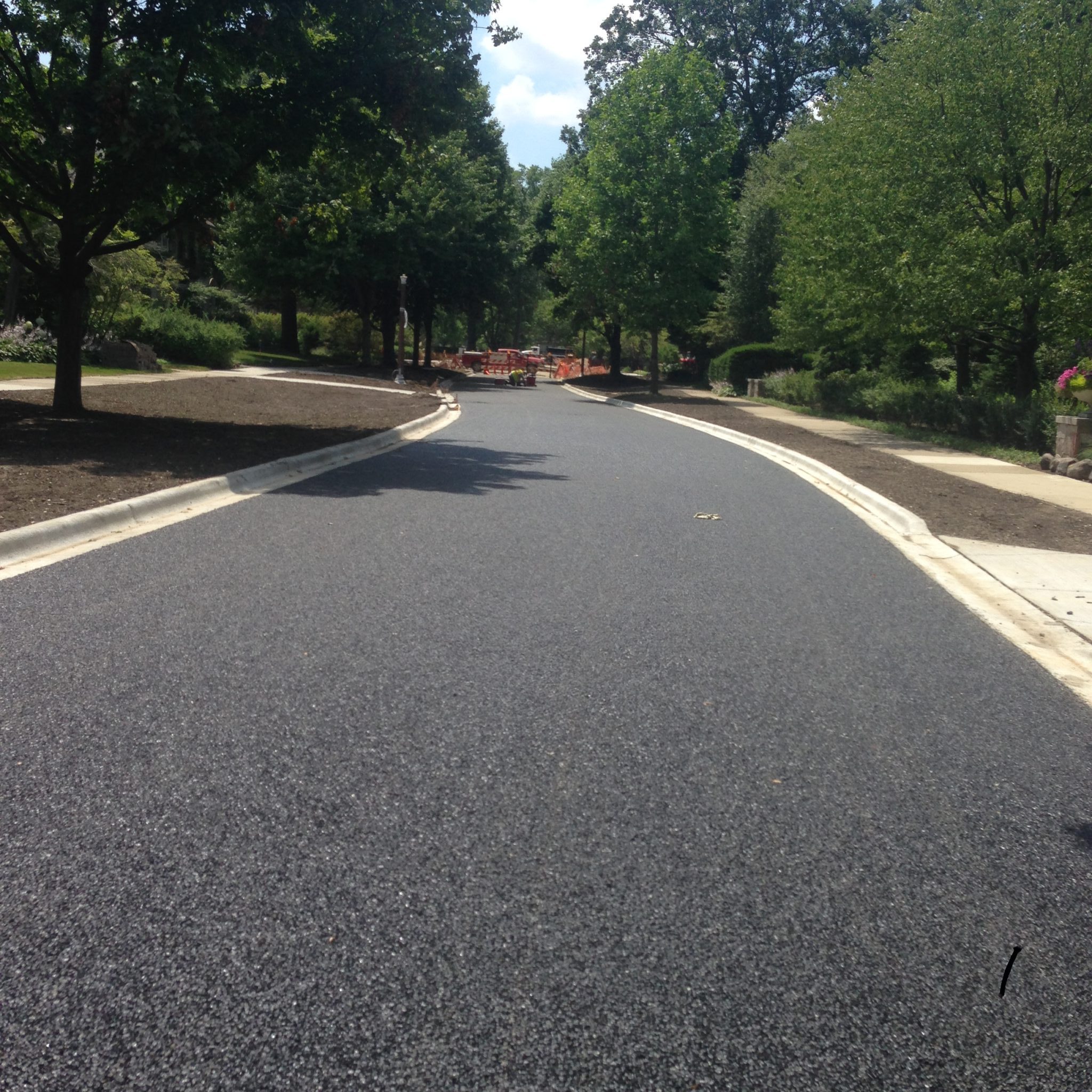
The Village of Kenilworth, Illinois has experienced severe street and basement flooding, especially within the portion of the town served by a combined sewer system. After significant flooding in 2008, the Village embarked upon a path to identify and mitigate the causes of sewer surcharging and flooding. The initial study determined that the 1920's infrastructure system provides only 15 to 20% of the needed capacity. To address this problem, the Village moved forward with its "Green Streets" initiative. Cumberland, Roslyn Avenues and Melrose Road were selected as the first streets for improvement. The design includes 4,363-linear feet of porous asphalt streets, underground detention, porous turf parkways and a separate storm sewer system. A potential long term design component, which would maximize flood reduction benefits, includes a separate storm sewer outfall into Lake Michigan. The inclusion of the Green Infrastructure approach not only has typical environmental benefits such as increased infiltration and evaporation, which in turn reduces the volume of runoff and improves runoff quality, but is intended to provide sufficient BMPs to procure a permit from the IEPA for a separate storm sewer outfall into Lake Michigan. The overall project cost is approximately $6.5 million. Bleck assisted the Village with resident coordination, design selection, final design and construction implementation. The project was completed in Fall of 2016.
Multi-year project providing surveying and civil engineering services for ravine and coastal restoration along Lake Michigan. Work included new ravine thread lines, stone step pools, and rock riffles to stabilize the area.
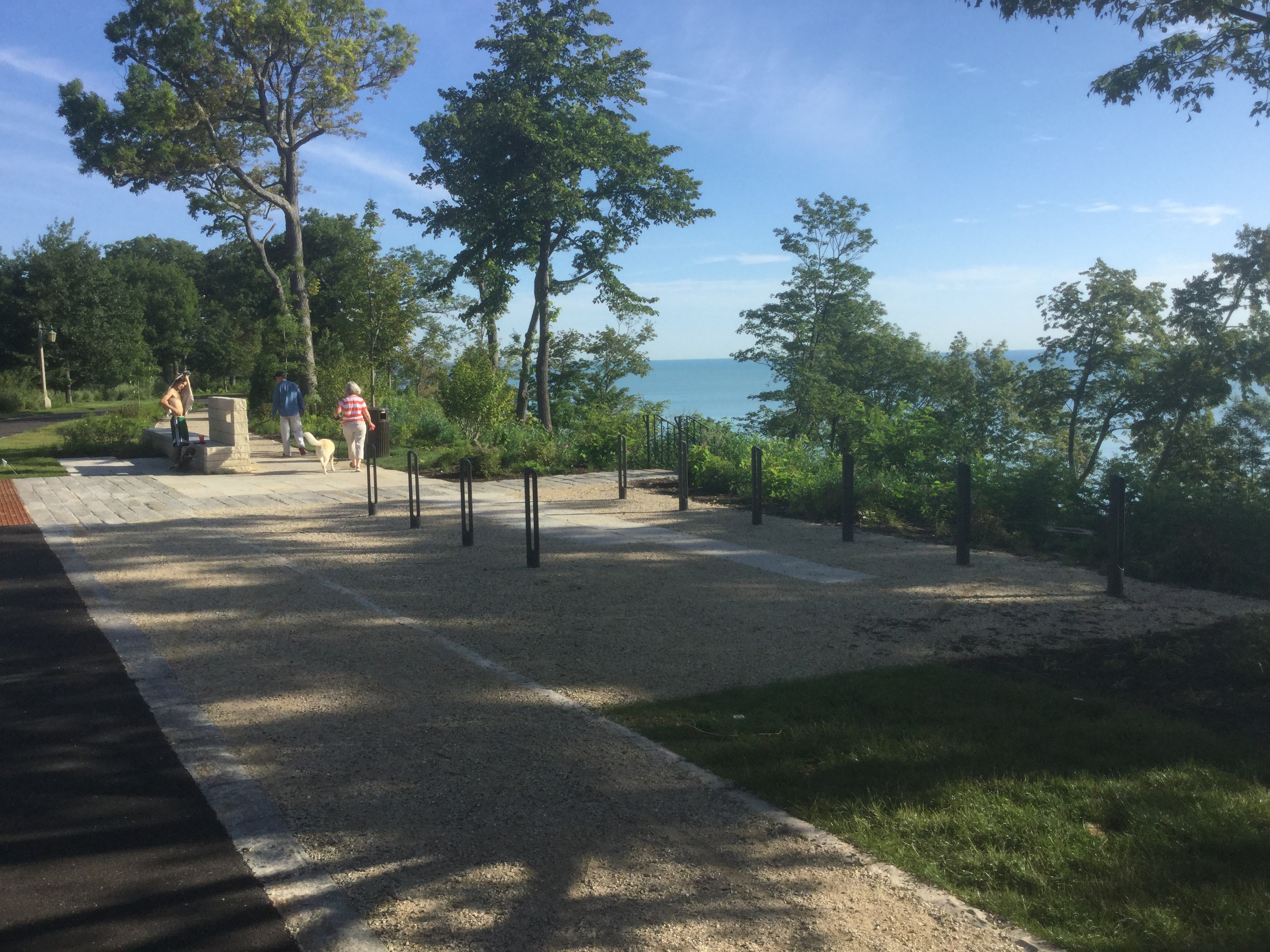
The City of Lake Forest adopted a comprehensive Forest Park Master Plan prepared by **Stephen Stimson Associates** to restore, enhance, and preserve the City's preeminent park. Originally founded in 1856 by the City's original planner, **Almerin Hotchkiss**, Forest Park was established as Lake Forest's first conserved open space and envisioned as a natural resource for passive enjoyment. In 1896, landscape architect **O.C. Simonds** further shaped the park through a formal planning effort. The Master Plan serves as a long-term guide for park improvements, honoring the historic legacy of Hotchkiss and Simonds while addressing modern needs for accessibility, environmental stewardship, and passive recreation. Bleck Engineering prepared civil engineering construction documents for the **37-acre park** in support of the Master Plan's vision and goals. Construction began in 2013, and Forest Park reopened to the public in 2014. Environmental stewardship was central to the project, as the park drains directly to **Lake Michigan**. Improvements focused on reducing impervious surfaces, enhancing stormwater treatment, restoring native landscapes, and realigning walking paths and roadways to create improved circulation and new vistas from the tableland toward the lake.
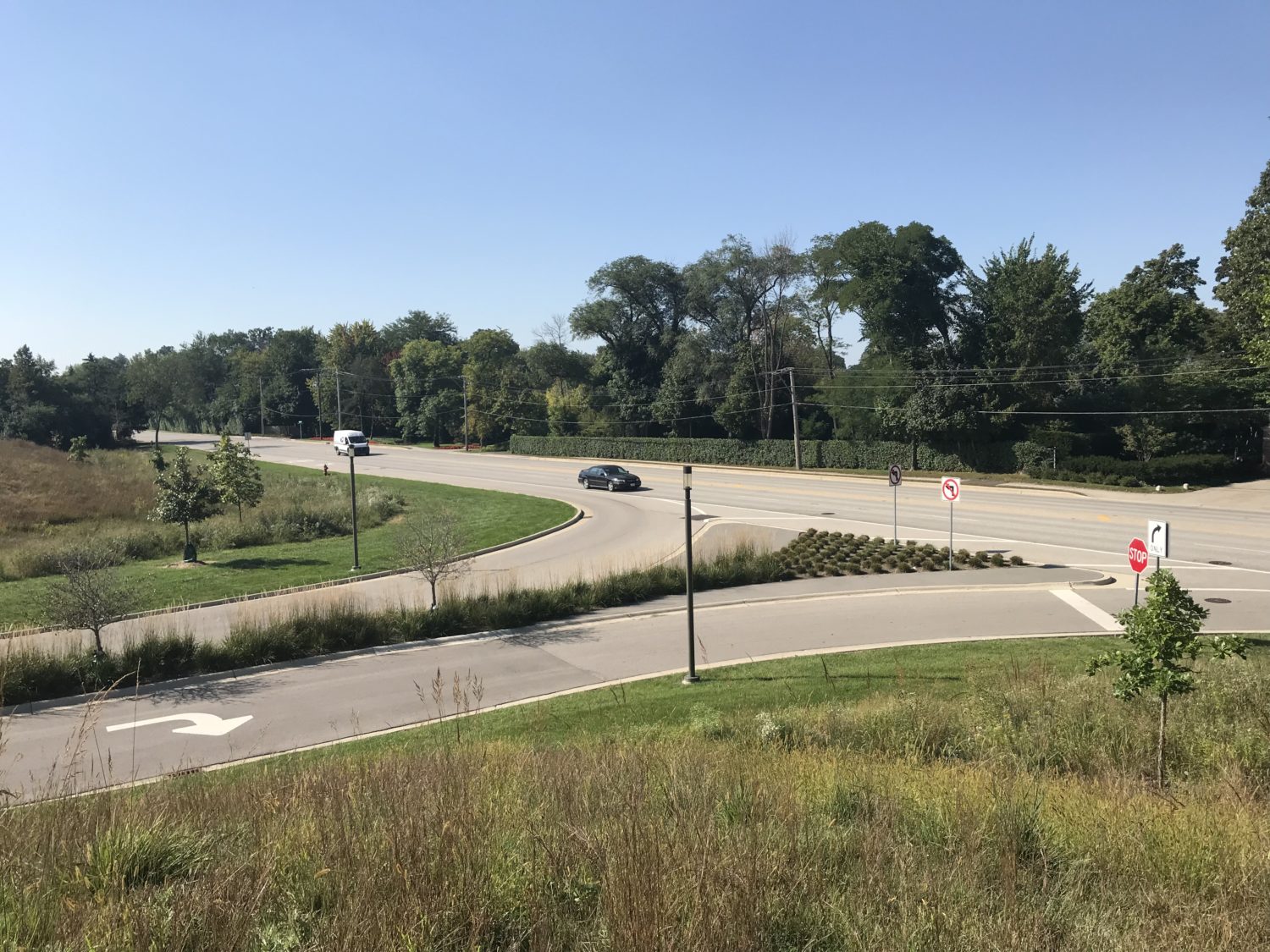
Northwestern Lake Forest Hospital tasked Bleck Engineering with the design, permitting, and construction administration services for a new right-in / right-out access point on North Bound Waukegan Road in anticipation of the construction of a new replacement hospital on campus. Several locations for this access point just south of a traffic light were studied until a good balance was struck to minimize truck traffic impact on the neighboring residential subdivision to the south while preserving an existing mature oak grove to north and maintaining an ideal distance from the signalized intersection.
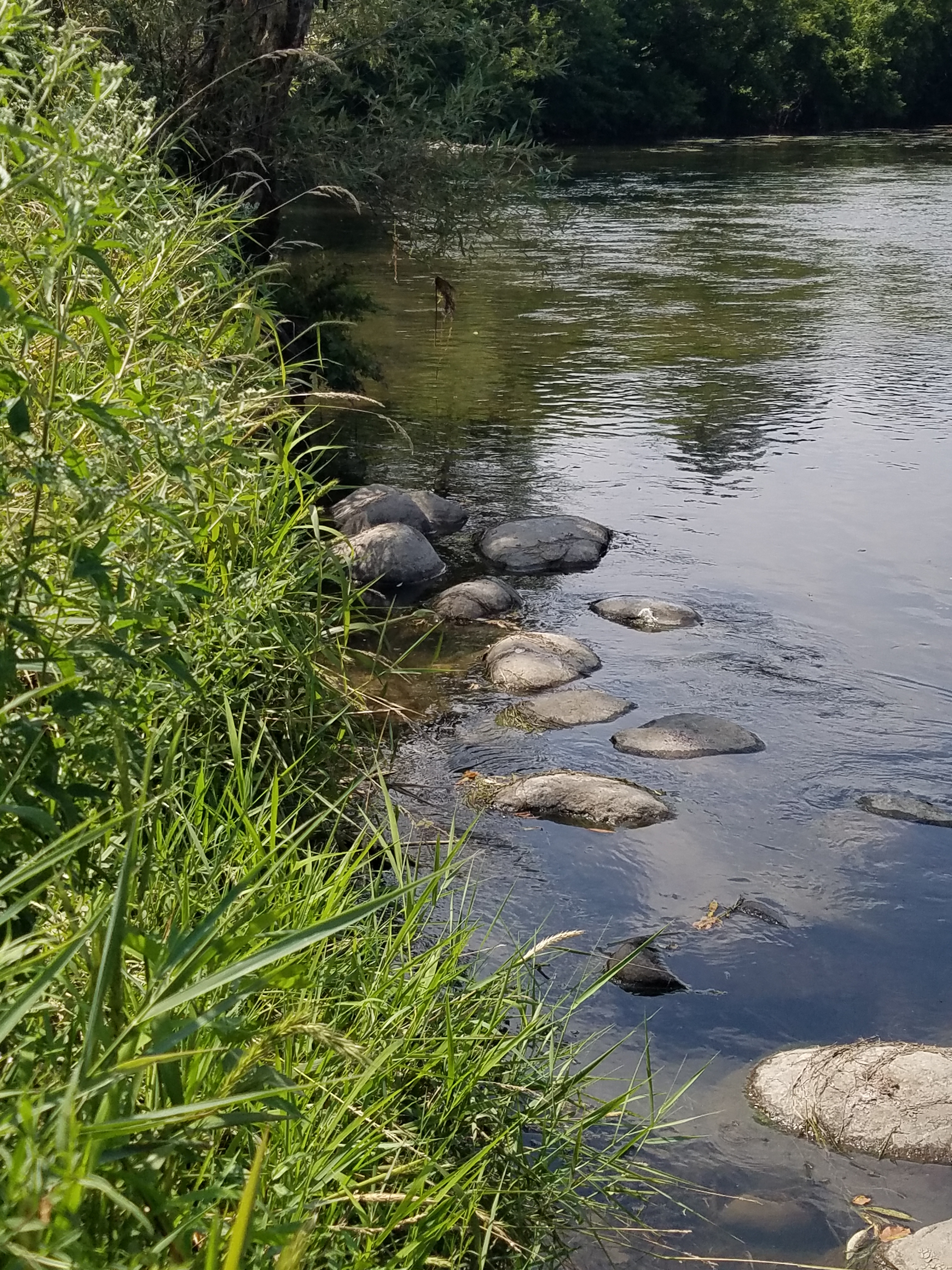
Pioneer Park is nestled along the DuPage River in Naperville. Bleck Engineering was tasked with the design of a two phase habitat restoration plan along the river. The design work for phase one included shoreline stabilization and boulder riffle outcroppings along the DuPage River. Phase two improvements included wet prairie, riparian woodland, and non-riparian woodland restoration within the floodway of the river.
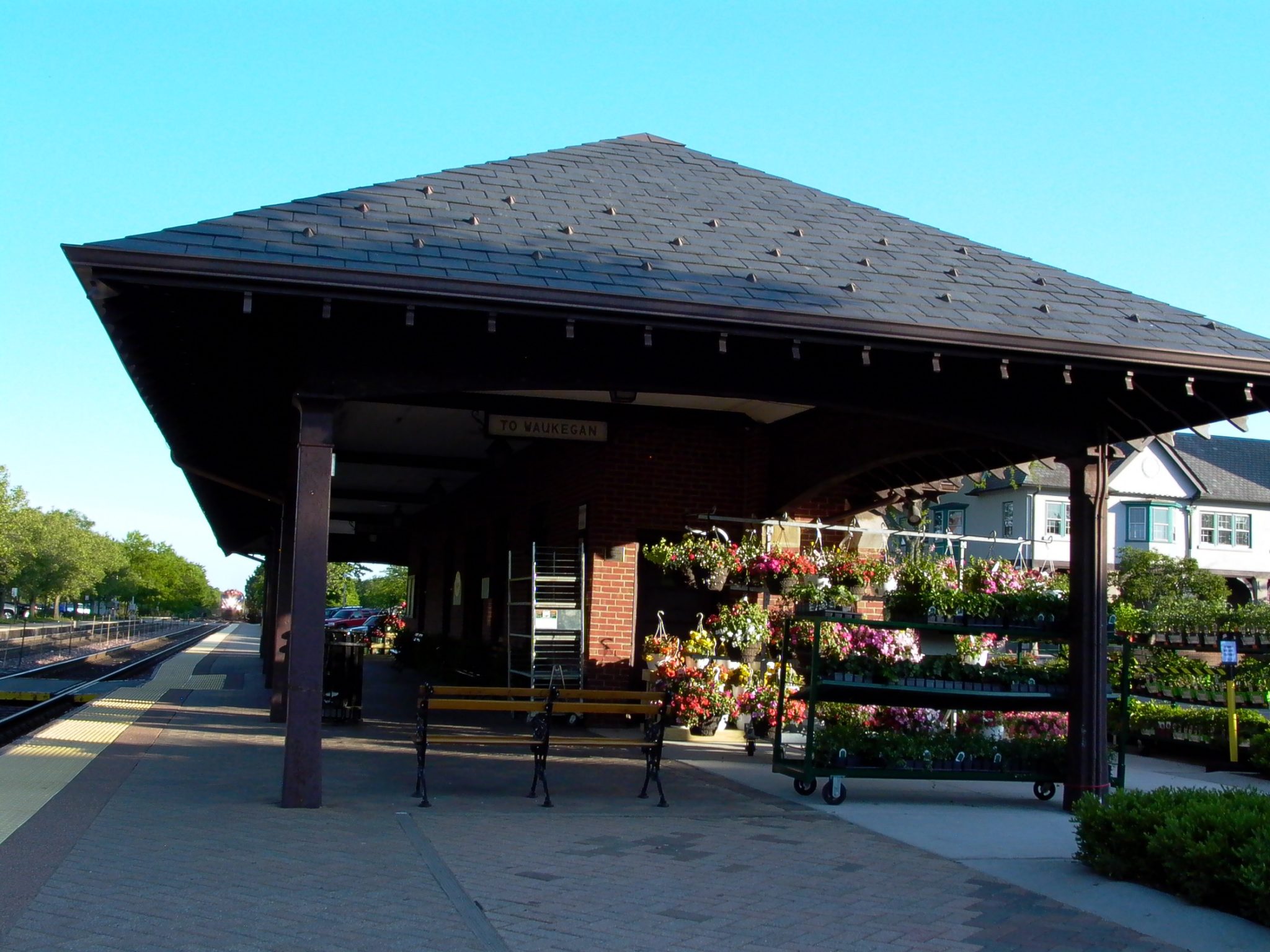
Design-build services for station improvements, enhancing accessibility and commuter experience.
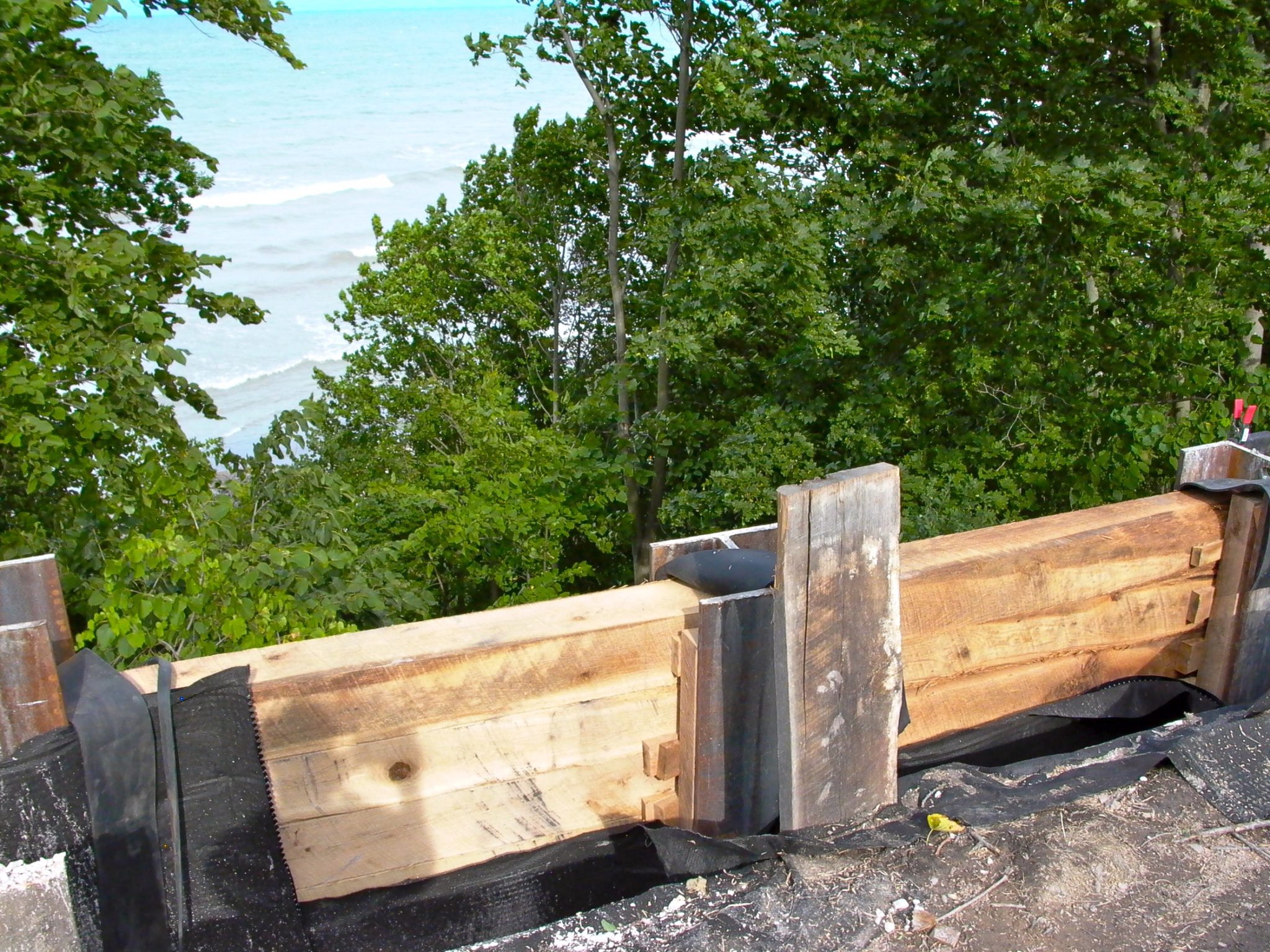
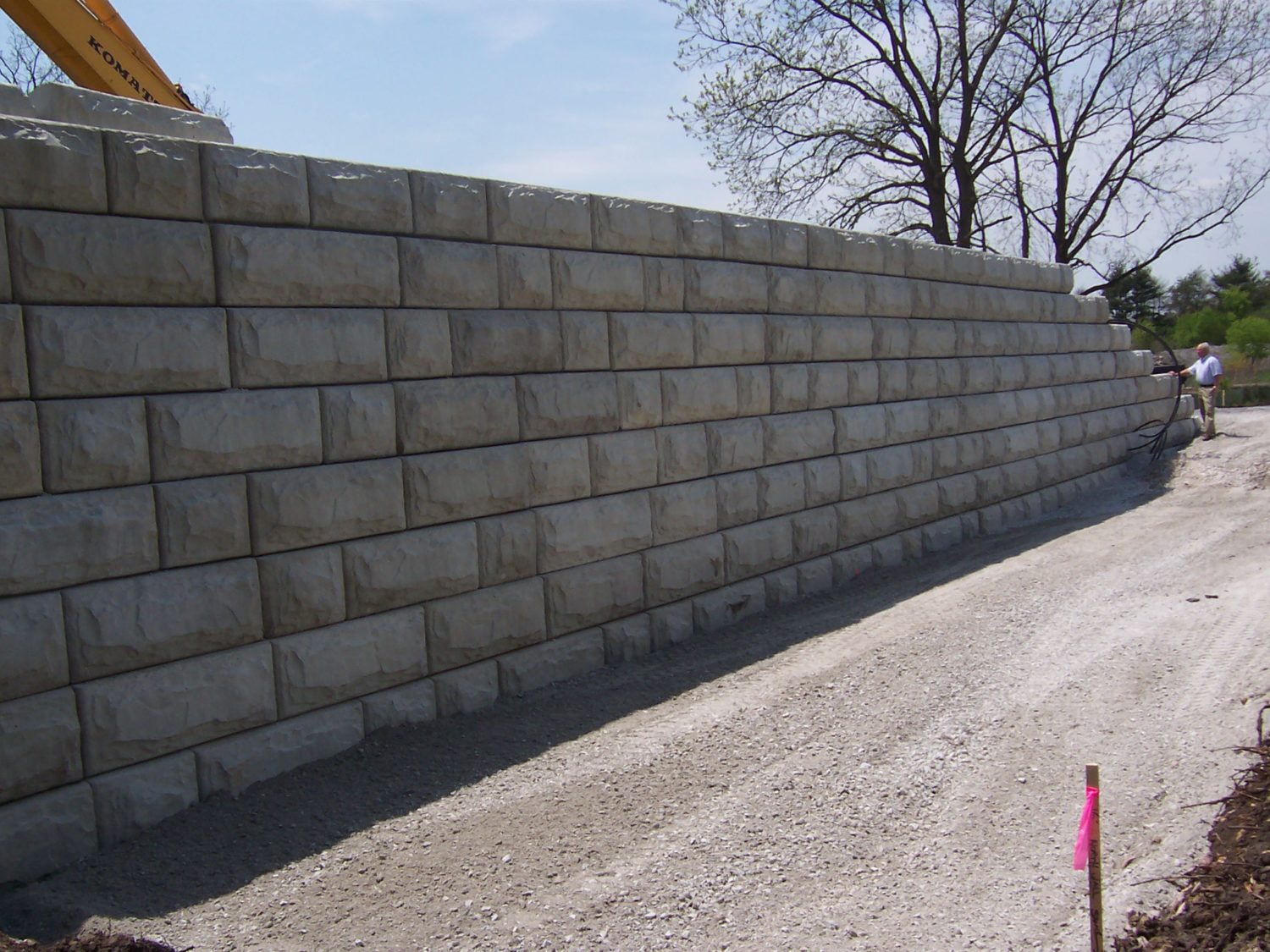
Bleck Engineering was hired to design a retaining wall to replace a timber retaining wall that was failing. The property overlooks Lake Michigan with a 65 foot high bluff. The home is situated 40 feet from an existing timber retaining wall that was failing. The new wall is 140' in length, with an exposed face 13' high. The wall was designed as a soldier pile retaining wall with drilled in steel H-piles and white oak timber lagging.
A comprehensive program-level overview of long-term civil engineering and planning support for the Northwestern Medicine Lake Forest Hospital campus. This program encompasses master planning, access improvements, supporting facilities, and major capital work spanning over 25 years of campus support. The program has maintained active operations during all construction phases while providing master planning, civil design, and construction administration support.
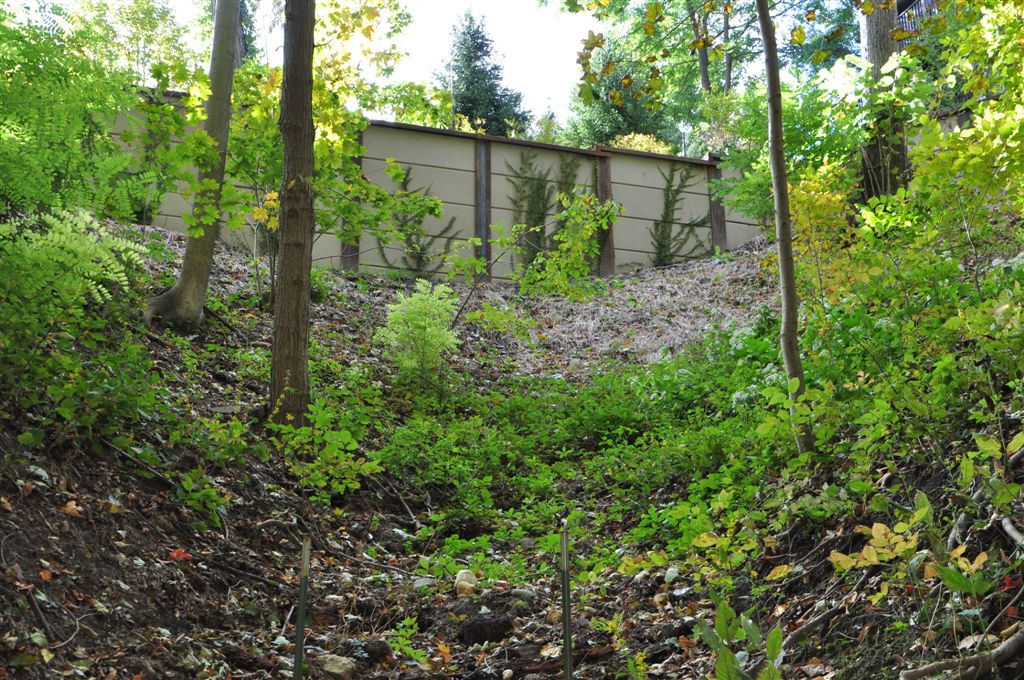
Bleck Engineering was approached by a homeowner who had a failing concrete and timber retaining wall that went right up to the detached garage and was 8 feet away from the residence. After assessing the site with the homeowner and gathering topographic and soil information, Bleck proposed that a new retaining wall be built in front of the existing failing wall. A soldier beam and lagging wall with concrete panels and a channel cap was chosen to help protect the real estate for the long term. The new wall is 400' in length with a maximum exposed face of 12' in height. Construction plans were designed to try and minimize the disruption to the table land as well as to provide an aesthetic quality to neighboring properties.
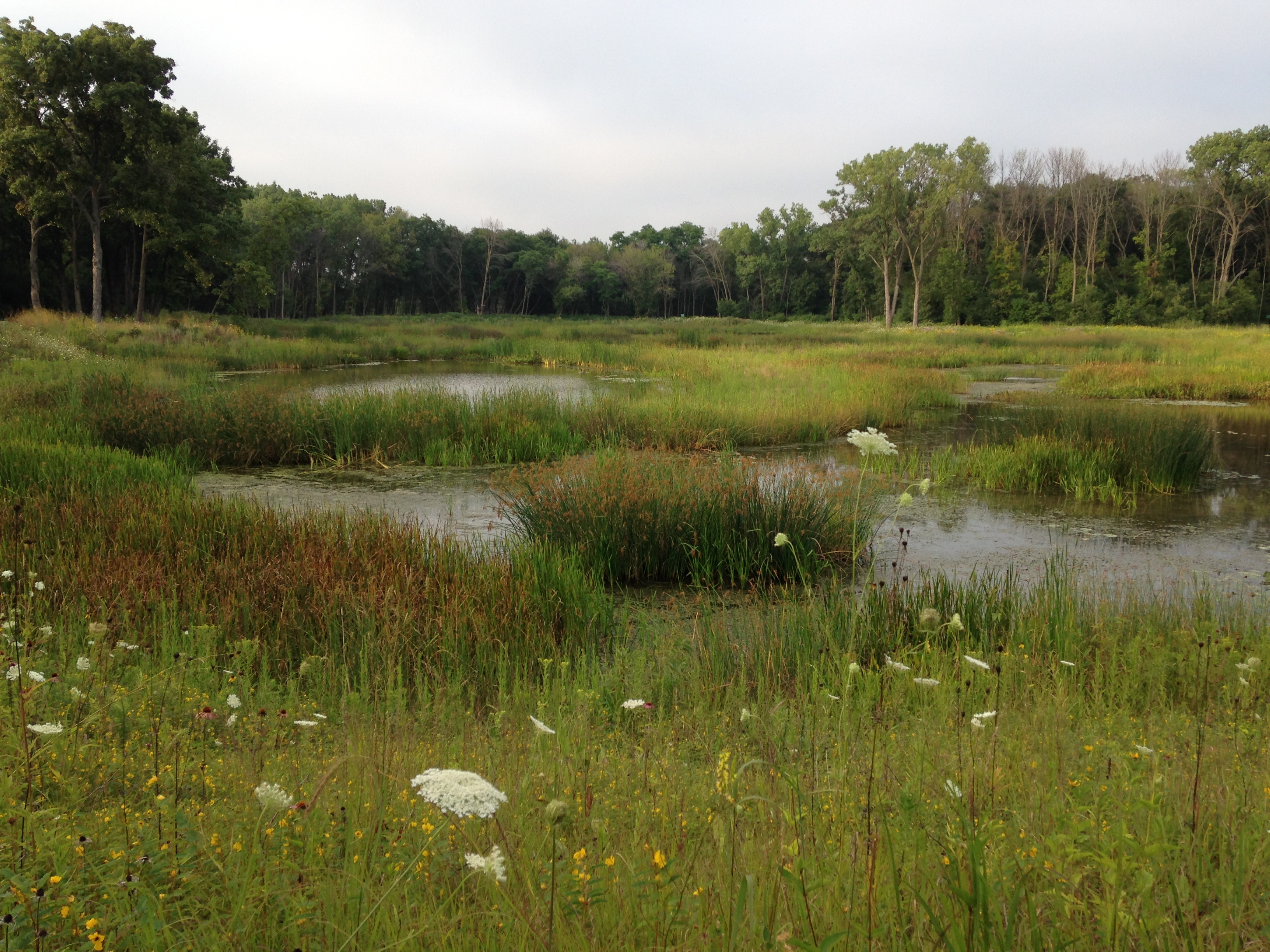
Dalitsch Pond Environmental Restoration transformed a former construction borrow pit into a functioning wetland system that improves water quality, supports wildlife, and protects one of the region's most important natural landscapes. Located directly upstream of the **Middlefork Savanna**, one of the highest-quality tallgrass savannas in the nation, the site was restored to naturally filter stormwater before it enters this sensitive ecosystem. The project reshaped the pond into shallow wetland areas that slow runoff, remove pollutants, and support native vegetation. The restored site now provides important wildlife habitat, including for the **Blanding's turtle**, a threatened and endangered species, while reducing erosion and improving downstream water quality. Today, Dalitsch Pond serves as a natural water filter, wildlife habitat, and example of sustainable stormwater management.
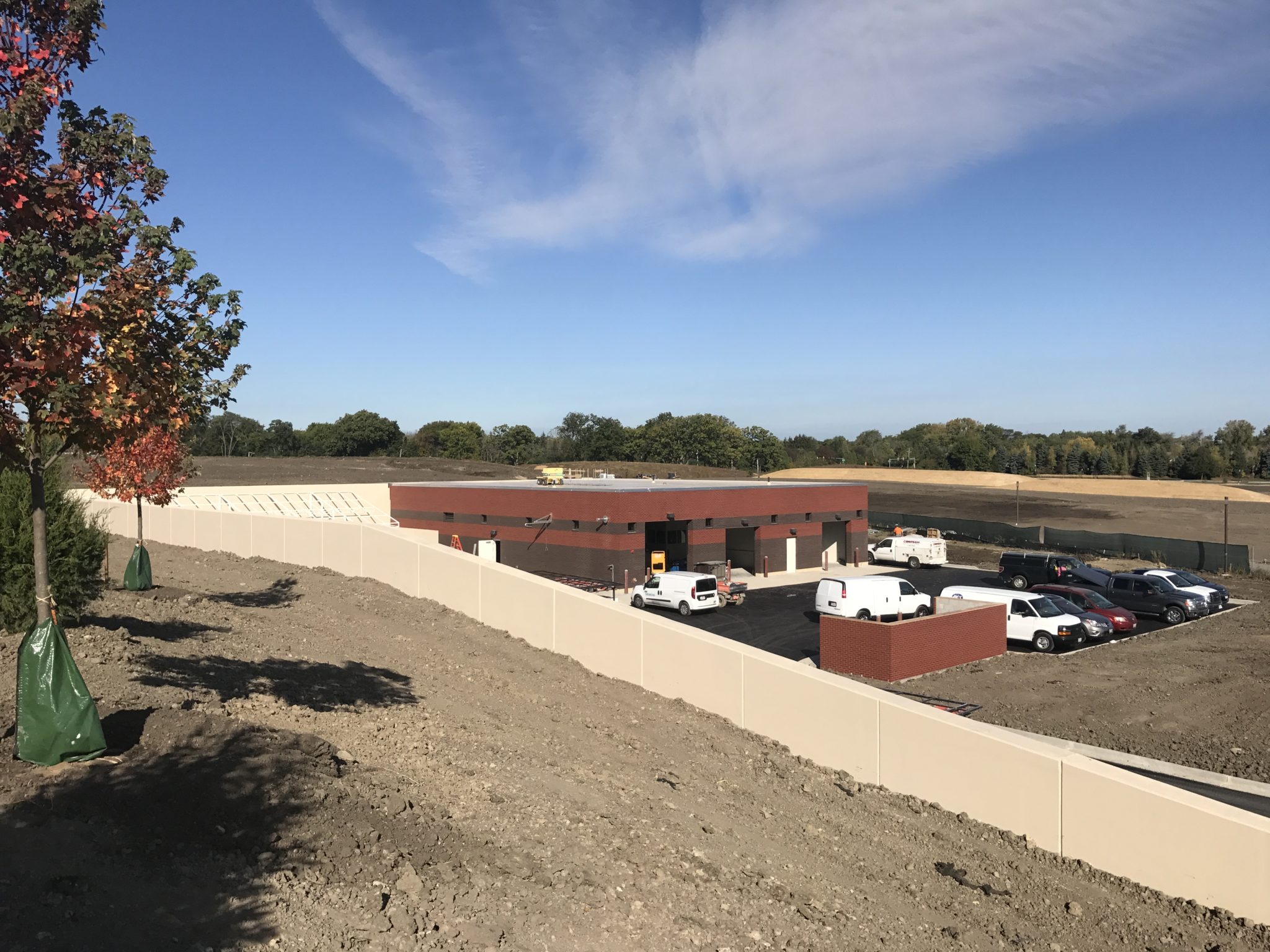
In response to community input emphasizing environmental responsibility, the City of Lake Forest expanded its recycling program with the construction of a new recycled materials transfer station on city-owned property. The facility supports the collection of recyclable materials from residents, with existing City trucks dedicated to recycling. These vehicles collect paper and cardboard, plastics #1–5 and #7, glass, aluminum, and metal from neighborhoods throughout the city and deliver the materials to the transfer station. There, recyclables are consolidated and loaded into a single tractor trailer for off-site transport, significantly reducing vehicle miles traveled and lowering the overall carbon footprint of the operation. Bleck Engineering designed the station for efficient and durable operations, incorporating a ramp system that allows a front-end loader to move materials directly into tractor trailers. The loading area is enclosed with debris-containment netting, and the on-site truck weigh scale is powered by solar energy—reinforcing the City's commitment to sustainable infrastructure.
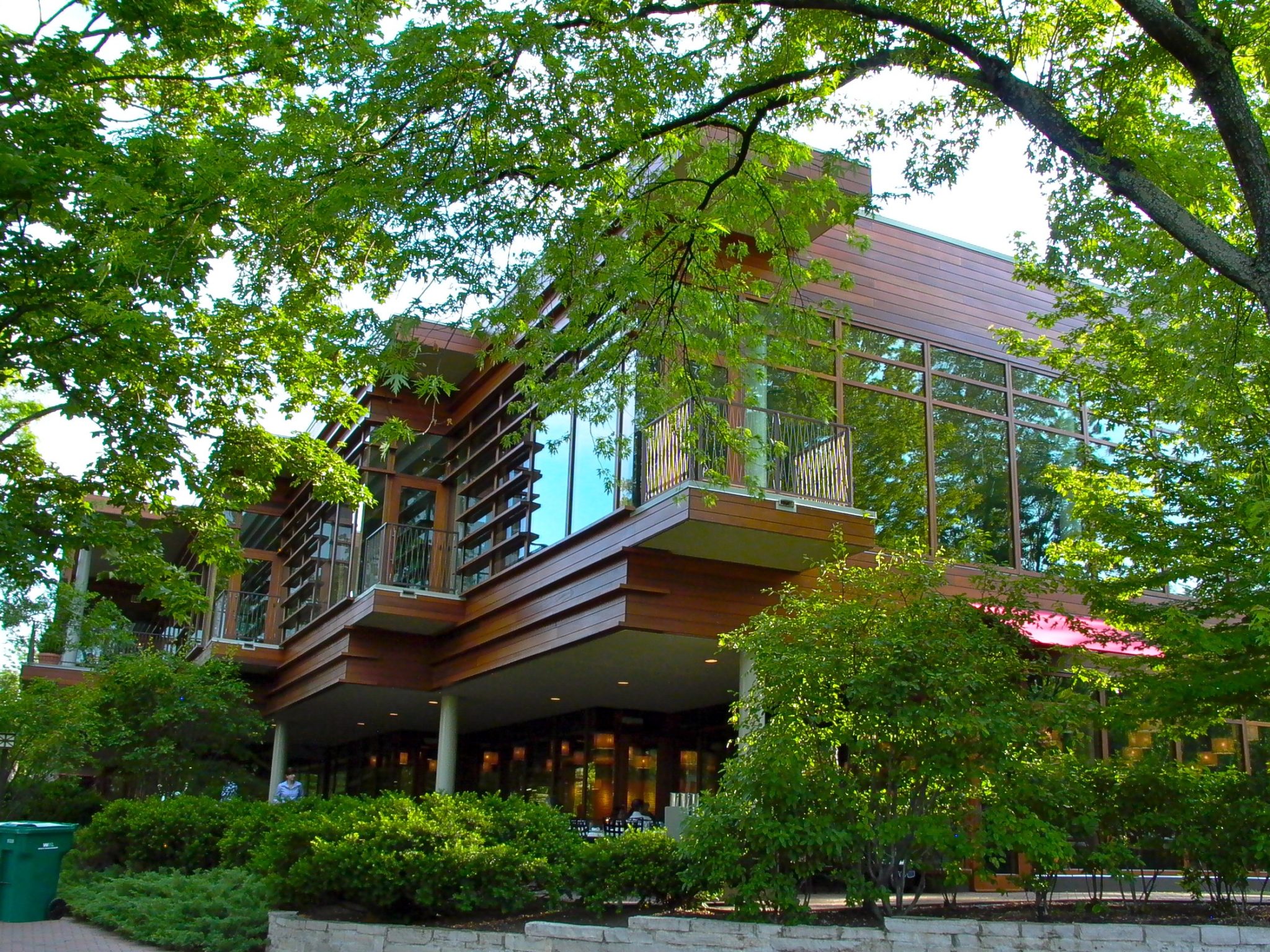
Bleck Engineering was selected by Lohan Anderson LLC to provide civil engineering design services for a 43,200-square-foot food service and dining facility at the Ravinia Festival. The project required careful planning and coordination to ensure construction activities had minimal impact on the visitor experience and were completed in time for the upcoming festival season. Plans were prepared on an accelerated schedule to allow demolition of the existing food pavilion immediately following the conclusion of the 2006 season. Construction proceeded through the winter months, and the new Food Service and Dining Pavilion opened successfully at the start of the 2007 season. Bleck Engineering's scope included surveying the festival grounds, preparing all site-related civil construction documents, assisting with permitting and entitlements, providing construction administration, and performing construction staking and layout. The project also included 6,000 square feet of outdoor dining patios, thoughtfully designed around several significant existing oak trees. Site circulation paths were reconfigured to improve visitor movement throughout the grounds, and all utility services to the building were upgraded to support the new facility.
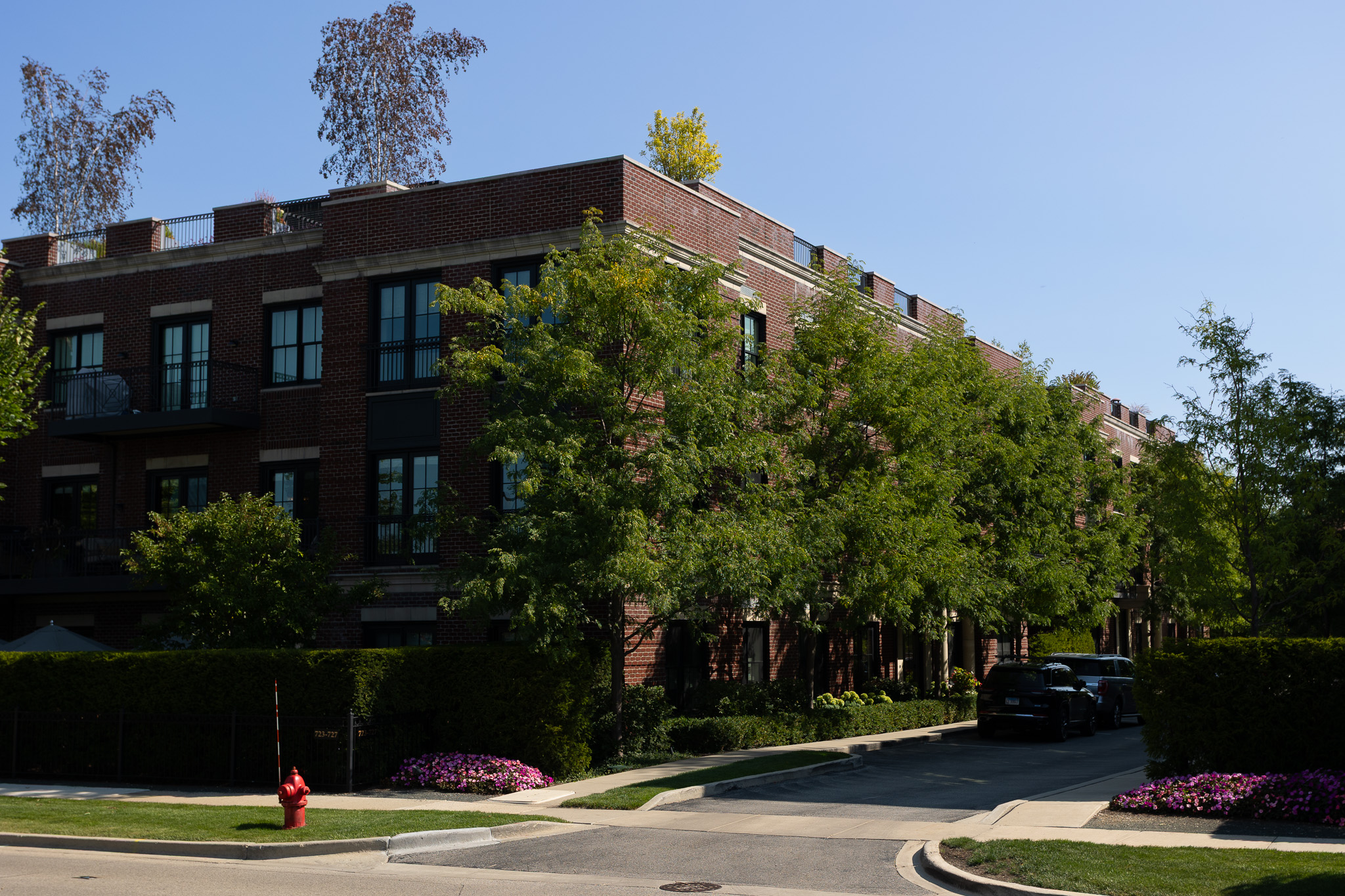
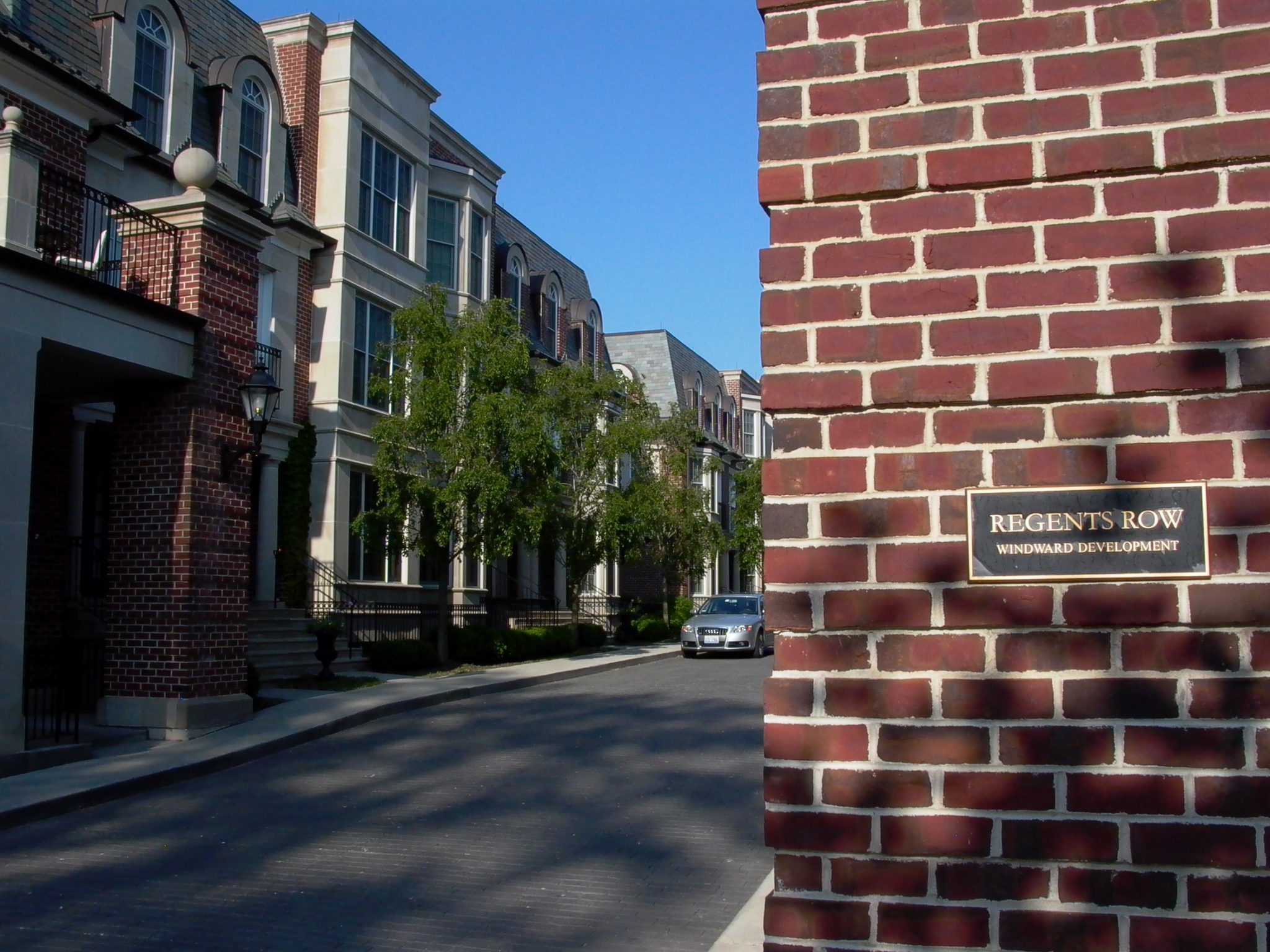
This two-acre site, formerly a building materials yard, is located near the Central Business District of Lake Forest. The property was redeveloped into a luxury rowhouse community consisting of three buildings with a total of 22 residential units, including two commercial spaces integrated into the end units. The development offers a highly walkable lifestyle with convenient access to downtown shops and restaurants, the Metra station, and Lake Forest Beach. Designed to complement the surrounding neighborhood while introducing a vibrant residential presence, the project transforms a former industrial-use property into a refined mixed-use environment that supports downtown living and reinvestment.
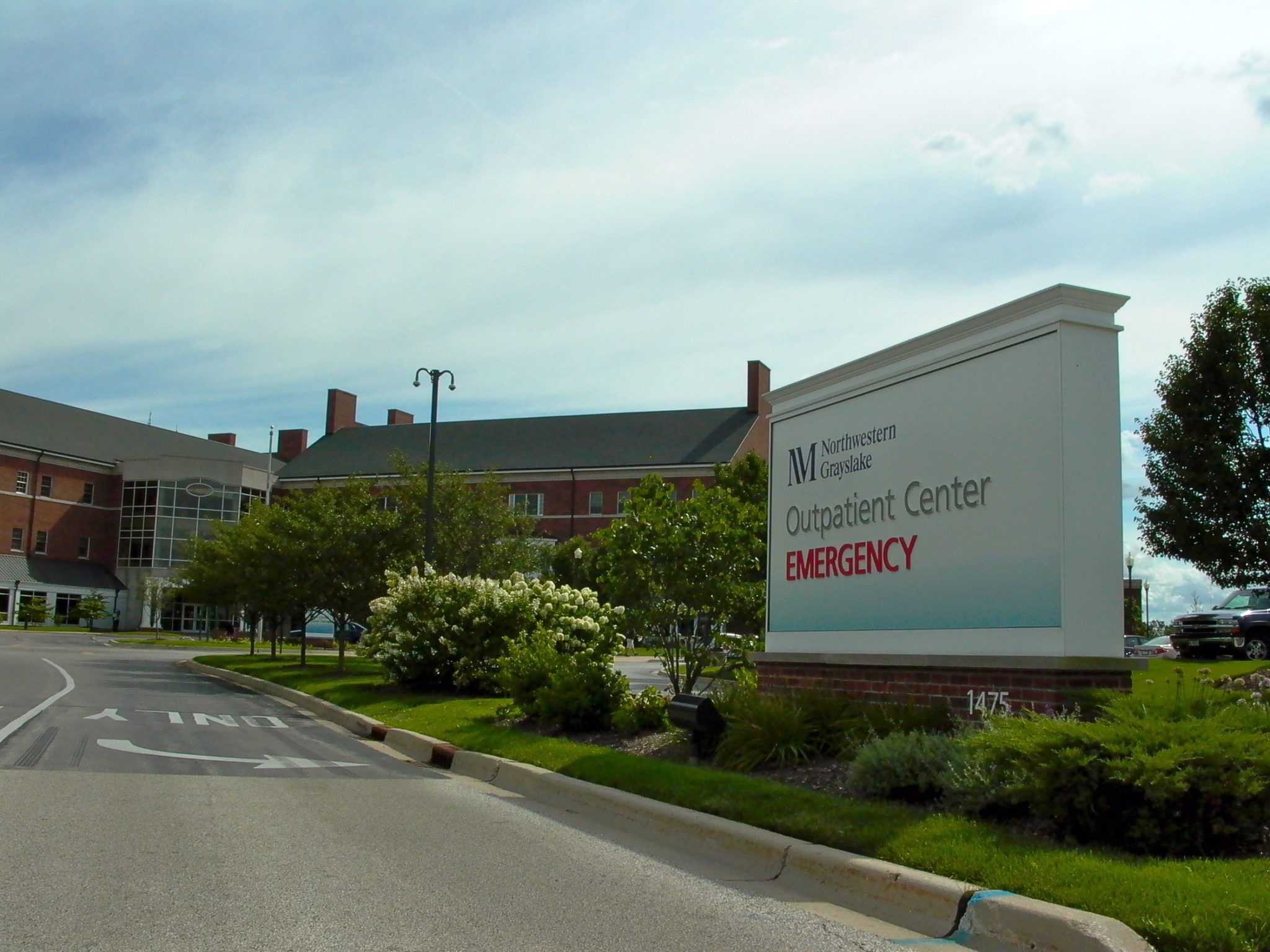
Site civil engineering services for Northwestern Medicine's outpatient facility in Grayslake.
Explore our projects on the map below. Click on any marker to view project details.
USDA – National Nursery System Optimization Planning
Northwestern Lake Forest Hospital – Campus Revitalization
McKinley Condominium Development
Esc to close
Send message