
Service discipline
Municipal Engineering
Cost-effective infrastructure solutions built around community priorities and regulatory compliance.
Partnering with municipalities
We support municipal teams with practical planning, funding coordination, and design solutions that balance long-term infrastructure performance with budget realities.
Our work focuses on clear communication, dependable delivery, and solutions that residents, agencies, and stakeholders can support.
What we offer
Our services
Our work
Featured projects
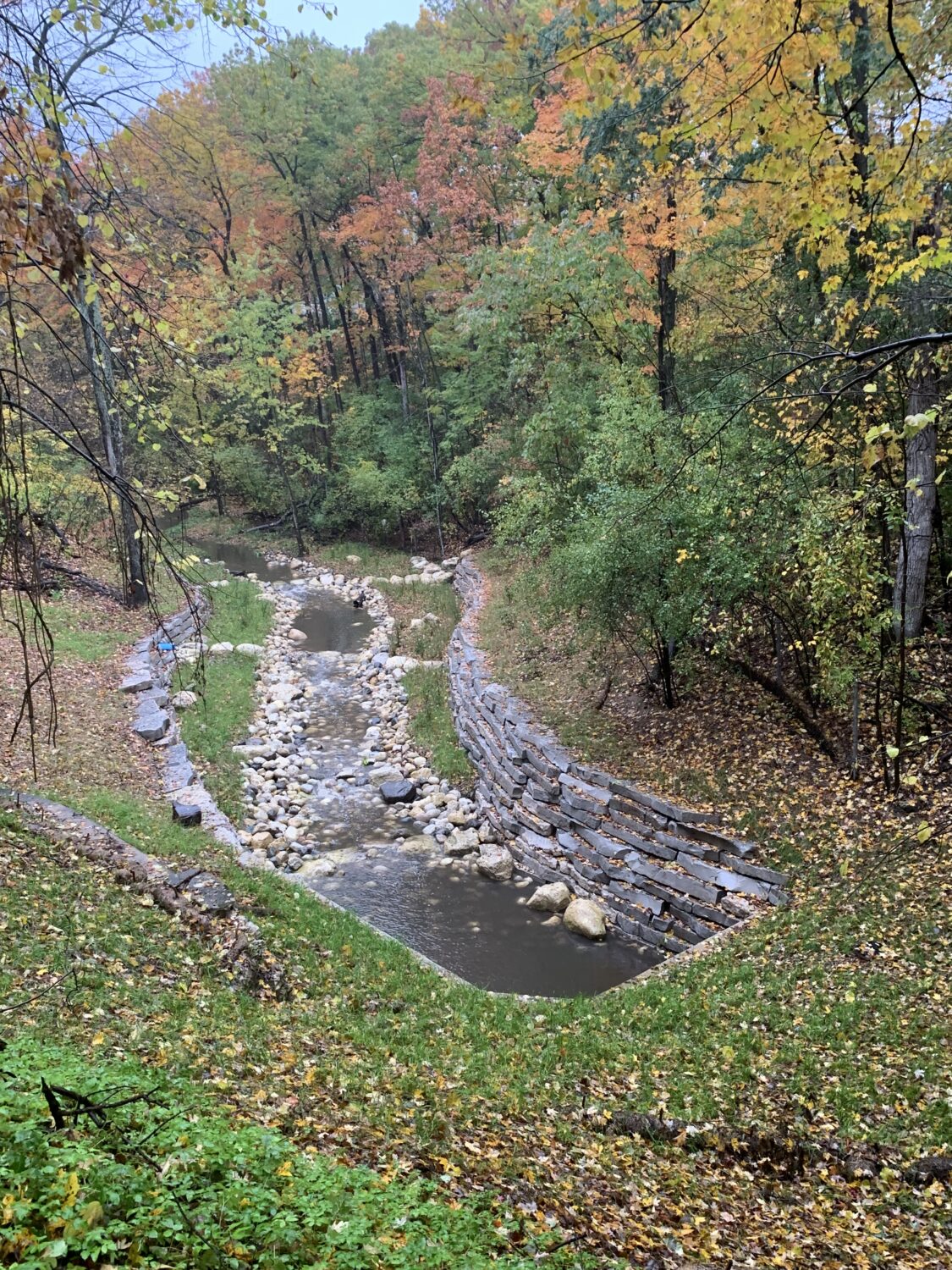
Walden Ravine Culvert & Stabilization Improvements
Bleck Engineering was retained by the City of Lake Forest to address a critical infrastructure failure at Walden Ravine, where a collapsed headwall at the Ringwood Road land bridge obstructed water flow and raised concerns about ravine stability and roadway safety. The project focused on rehabilitating a century-old brick culvert, stabilizing the ravine, and improving drainage and safety along Ringwood Road. Upstream improvements included construction of a new concrete headwall and restoration of approximately **130 feet of stream channel** using rock riffles, stone step pools, and erosion control measures designed to moderate flow and enhance habitat. The culvert was structurally reinforced using a **spray-in-place pipe lining system**, preserving the existing structure while minimizing environmental disturbance. Downstream, a new storm sewer system and reinforced drainage structures were installed to manage roadway runoff and protect ravine slopes. Additional slope stabilization measures included stone armoring and gabion baskets. Roadway improvements included milling and resurfacing approximately **300 feet of Ringwood Road**, installation of curb and gutter to control runoff, and placement of timber guardrails to improve safety along the steep ravine edge. Bleck Engineering also assisted the City in coordinating permits with local, state, and federal agencies.
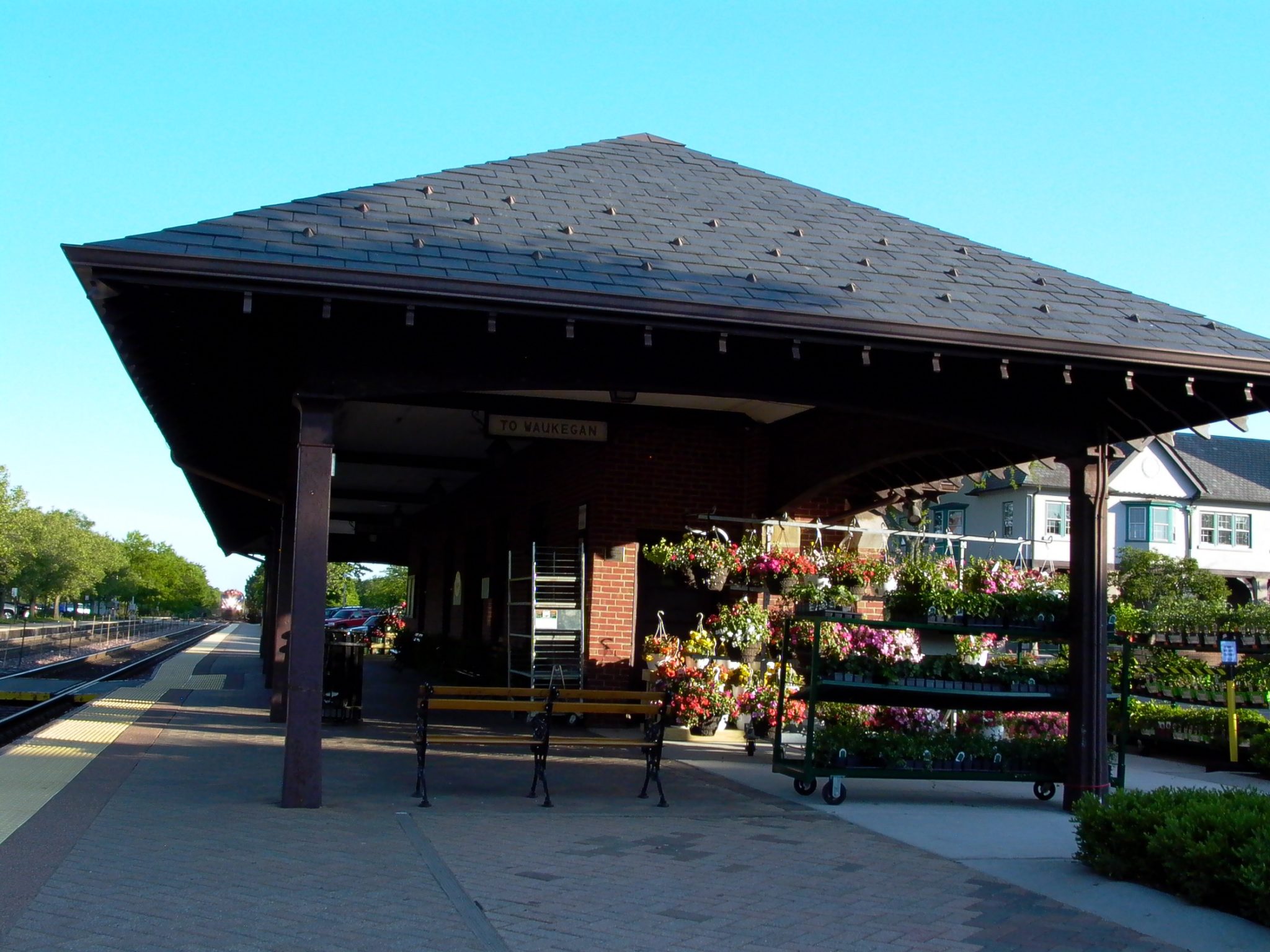
Lake Forest Metra Station
Design-build services for station improvements, enhancing accessibility and commuter experience.
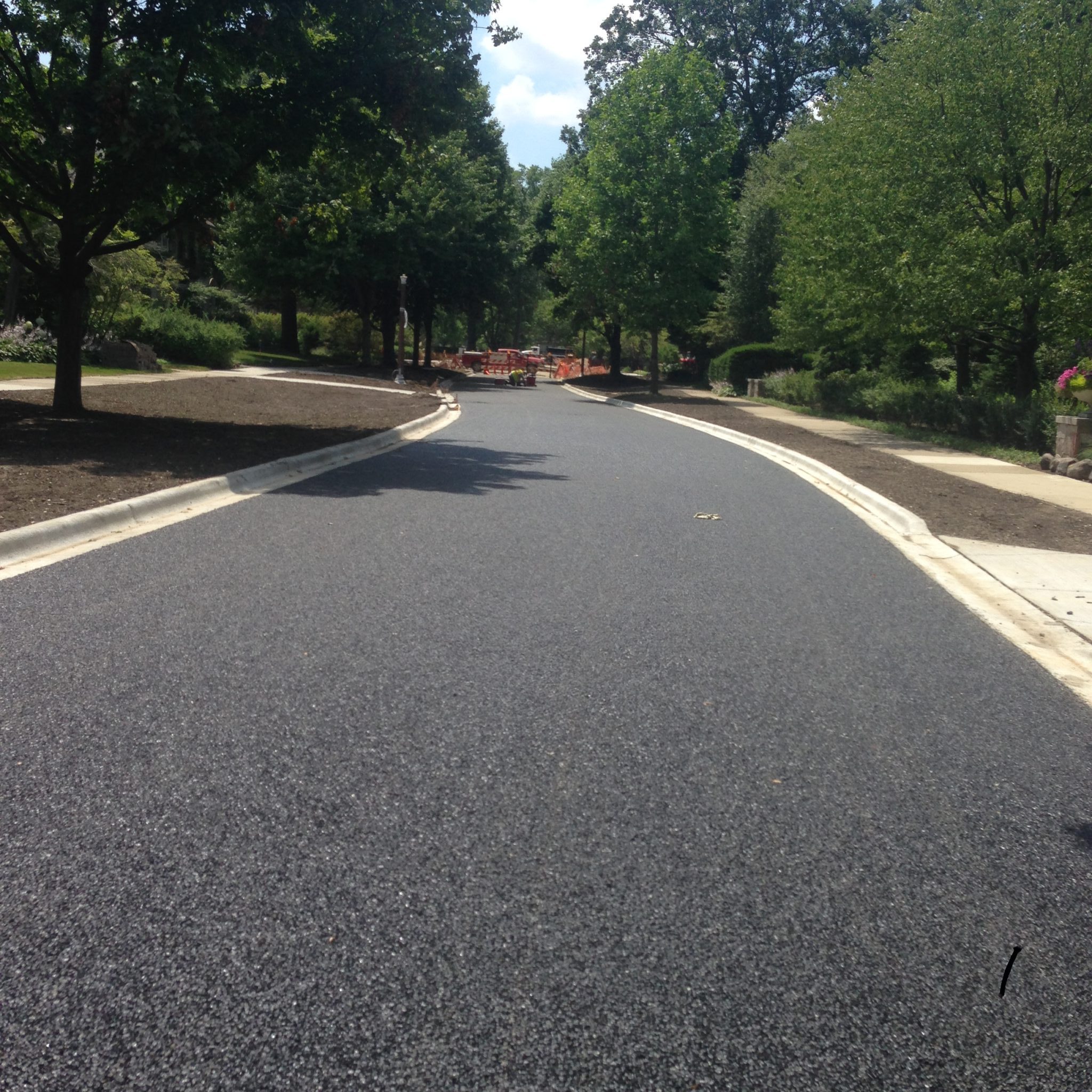
Village of Kenilworth 2023 Plan Phase I – Plan Review
The Village of Kenilworth, Illinois has experienced severe street and basement flooding, especially within the portion of the town served by a combined sewer system. After significant flooding in 2008, the Village embarked upon a path to identify and mitigate the causes of sewer surcharging and flooding. The initial study determined that the 1920's infrastructure system provides only 15 to 20% of the needed capacity. To address this problem, the Village moved forward with its "Green Streets" initiative. Cumberland, Roslyn Avenues and Melrose Road were selected as the first streets for improvement. The design includes 4,363-linear feet of porous asphalt streets, underground detention, porous turf parkways and a separate storm sewer system. A potential long term design component, which would maximize flood reduction benefits, includes a separate storm sewer outfall into Lake Michigan. The inclusion of the Green Infrastructure approach not only has typical environmental benefits such as increased infiltration and evaporation, which in turn reduces the volume of runoff and improves runoff quality, but is intended to provide sufficient BMPs to procure a permit from the IEPA for a separate storm sewer outfall into Lake Michigan. The overall project cost is approximately $6.5 million. Bleck assisted the Village with resident coordination, design selection, final design and construction implementation. The project was completed in Fall of 2016.
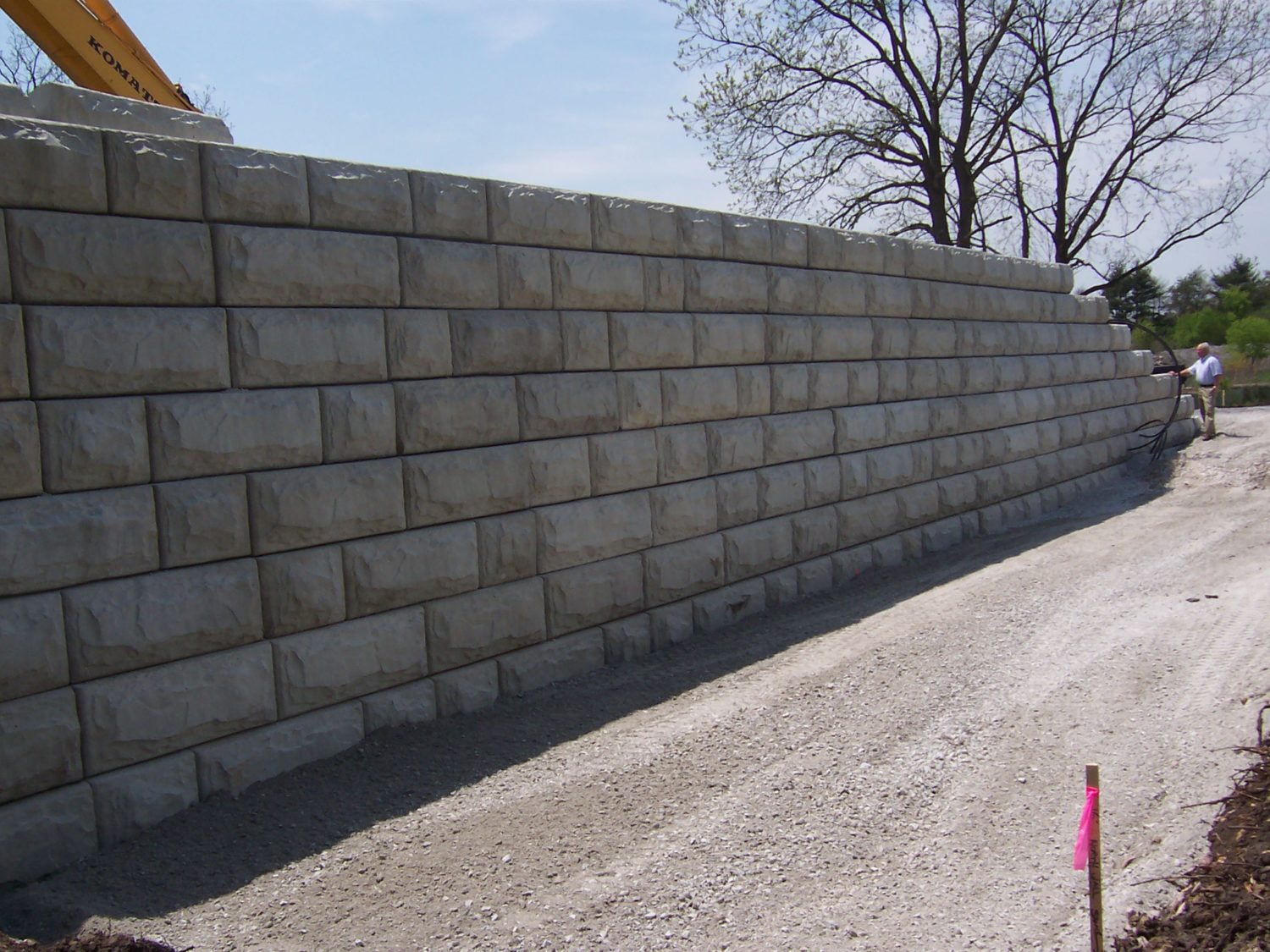
Recycled Materials Transfer Station
In response to community input emphasizing environmental responsibility, the City of Lake Forest expanded its recycling program with the construction of a new recycled materials transfer station on city-owned property. The facility supports the collection of recyclable materials from residents, with existing City trucks dedicated to recycling. These vehicles collect paper and cardboard, plastics #1–5 and #7, glass, aluminum, and metal from neighborhoods throughout the city and deliver the materials to the transfer station. There, recyclables are consolidated and loaded into a single tractor trailer for off-site transport, significantly reducing vehicle miles traveled and lowering the overall carbon footprint of the operation. Bleck Engineering designed the station for efficient and durable operations, incorporating a ramp system that allows a front-end loader to move materials directly into tractor trailers. The loading area is enclosed with debris-containment netting, and the on-site truck weigh scale is powered by solar energy—reinforcing the City's commitment to sustainable infrastructure.