
Service discipline
Drainage Engineering
Water resources and stormwater management from feasibility through implementation.
Expert water resources management
From low-impact design to watershed modeling, our drainage team delivers practical solutions that protect property, preserve ecosystems, and align with permitting requirements.
We support clients with analysis, design, and regulatory coordination for resilient stormwater systems across municipal, institutional, and private developments.
What we offer
Our services
Our work
Featured projects
Northwestern Lake Forest Hospital – Campus Revitalization
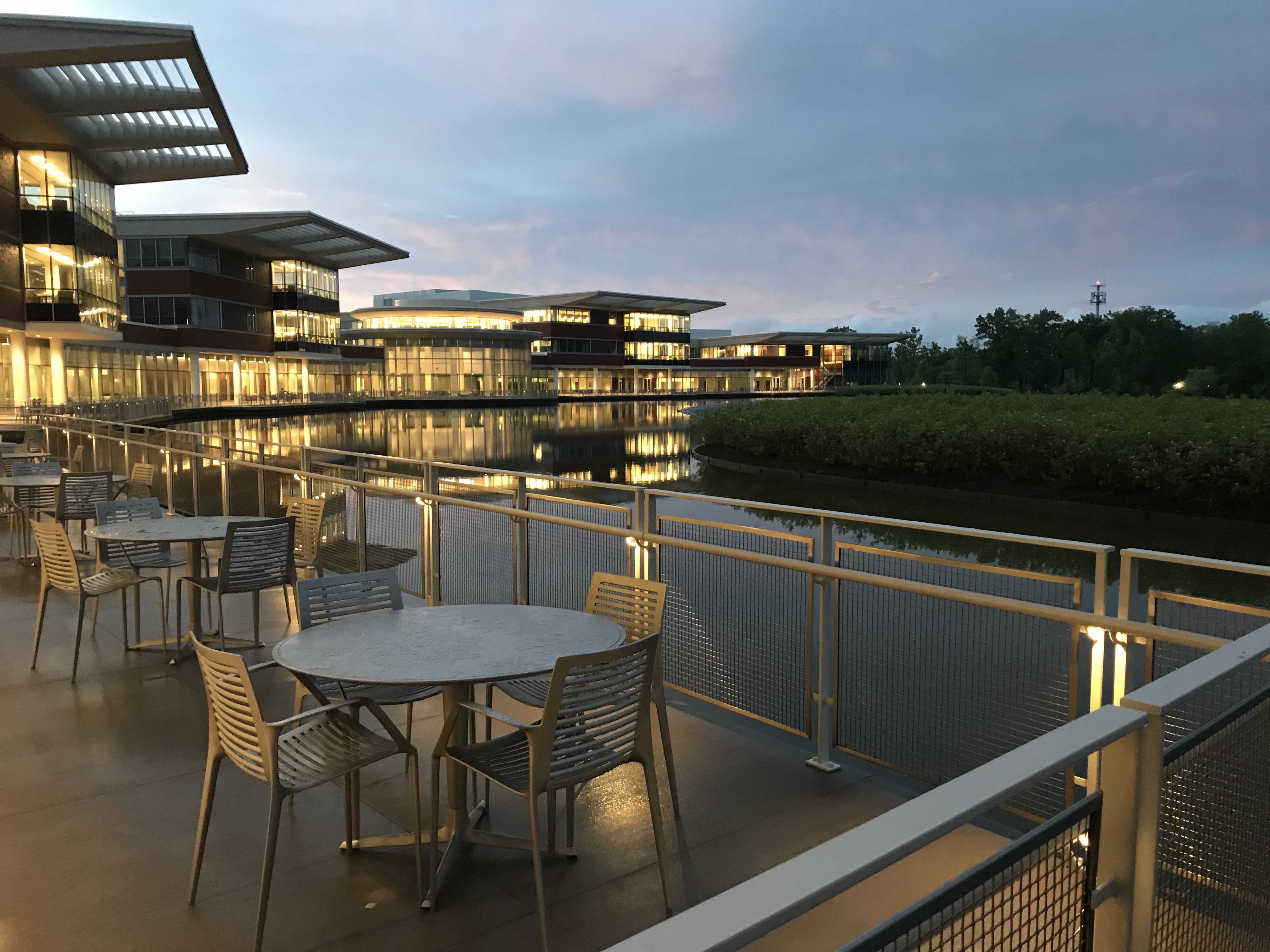
Bleck Engineering provided civil engineering services for a 160-acre campus featuring a new 483,500 square foot state-of-the-art hospital. The project integrated medical care with health and wellness through walking and biking trails and community spaces.
Fort Sheridan Ravine & Coastal Restoration
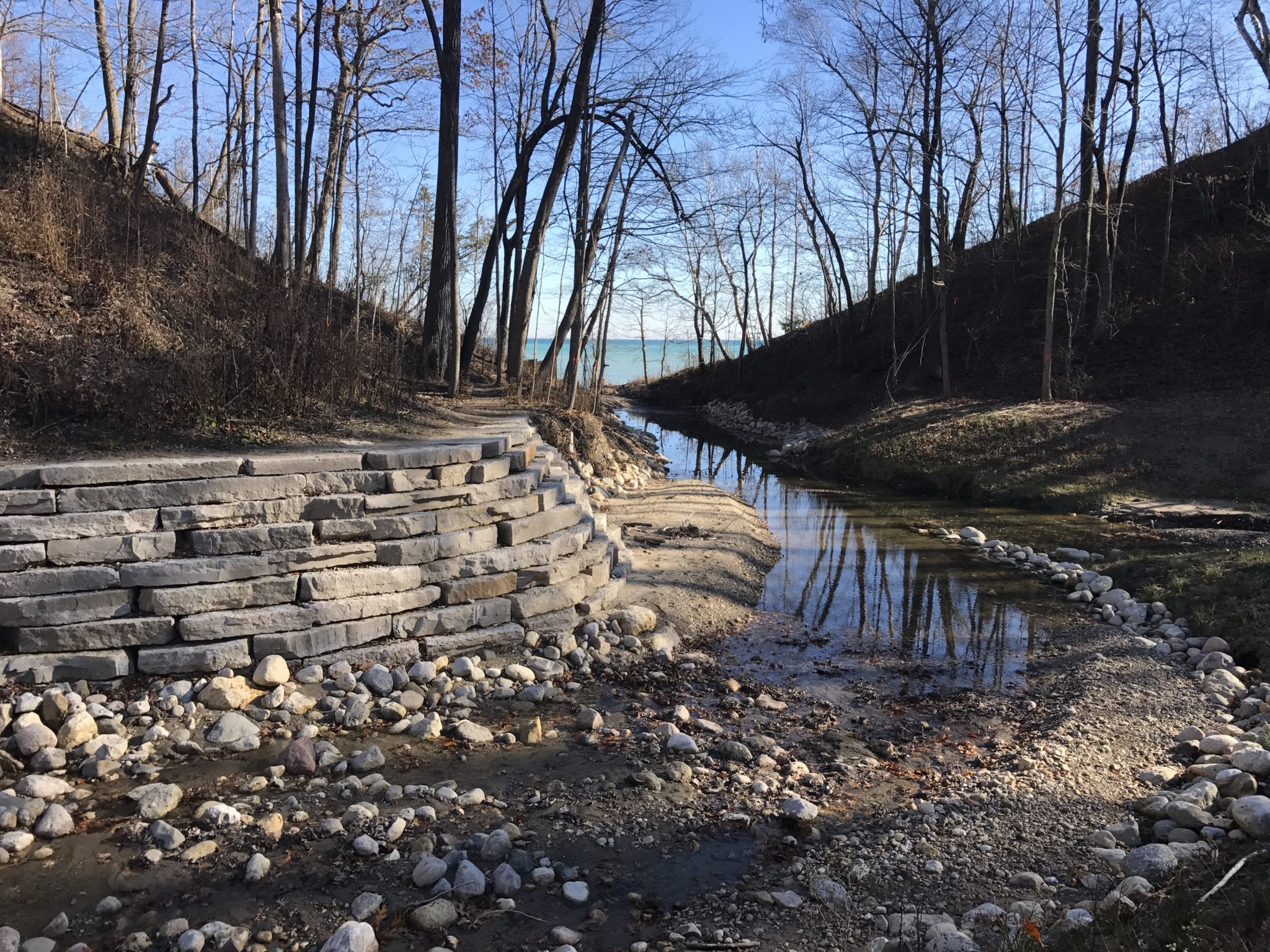
Multi-year project providing surveying and civil engineering services for ravine and coastal restoration along Lake Michigan. Work included new ravine thread lines, stone step pools, and rock riffles to stabilize the area.
Lake Forest Academy Field Improvements
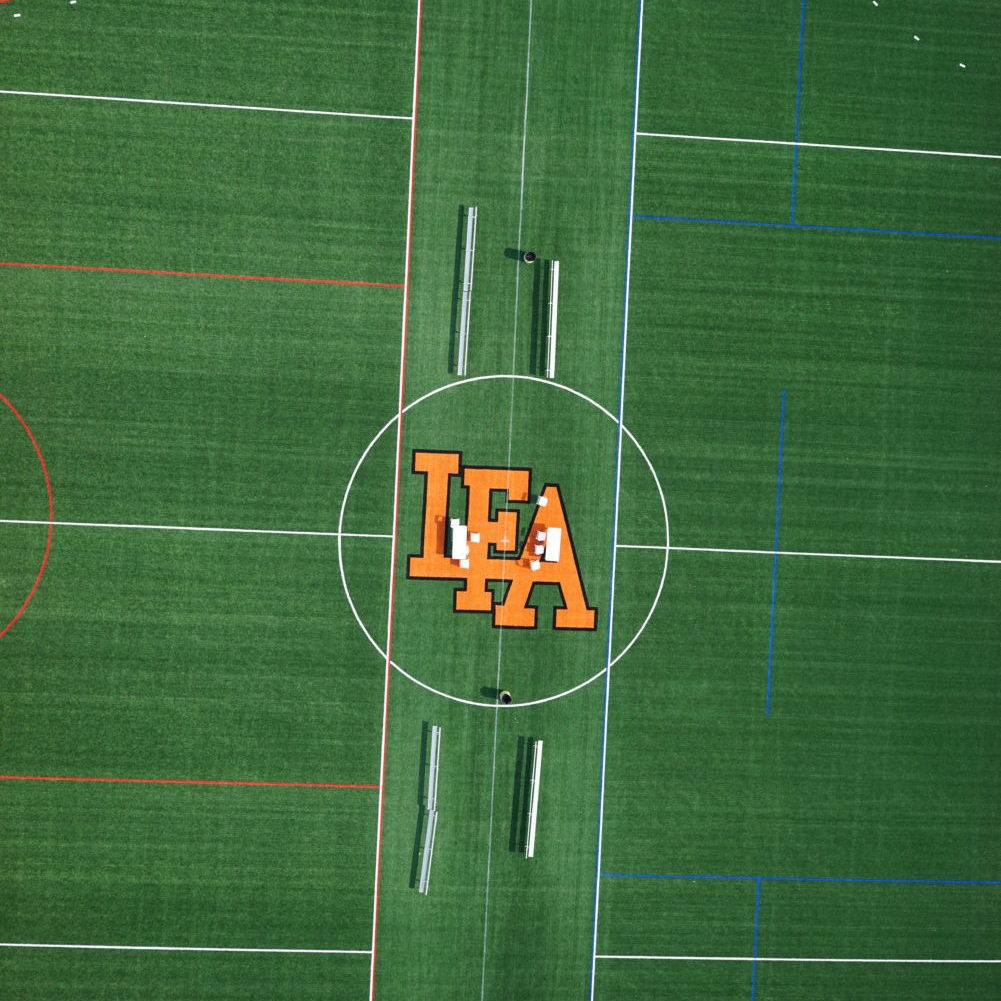
Bleck Engineering was retained by **Lake Forest Academy** to evaluate and improve athletic field conditions after recurring flooding of existing natural turf fields resulted in frequent game and practice cancellations. Following a feasibility study, Bleck prepared construction documents for a **3.5-acre multipurpose synthetic turf athletic field** designed to improve playability and meet all applicable water quality and stormwater runoff requirements. The project replaced natural turf with a high-performance field system that allows teams to practice and compete almost immediately after rain events—eliminating the multi-day downtime previously experienced. The design supported fundraising and approval efforts by providing a shovel-ready project for the school board. Constructed in the summer of 2018, the new athletic complex features **six NFHS-compliant fields**, including: 2 field hockey fields 1 boys lacrosse field 1 girls lacrosse field 1 softball field 1 soccer field The field was completed in time for use at the start of the 2018–2019 school year.
Walden Ravine Culvert & Stabilization Improvements
Bleck Engineering was retained by the City of Lake Forest to address a critical infrastructure failure at Walden Ravine, where a collapsed headwall at the Ringwood Road land bridge obstructed water flow and raised concerns about ravine stability and roadway safety. The project focused on rehabilitating a century-old brick culvert, stabilizing the ravine, and improving drainage and safety along Ringwood Road. Upstream improvements included construction of a new concrete headwall and restoration of approximately **130 feet of stream channel** using rock riffles, stone step pools, and erosion control measures designed to moderate flow and enhance habitat. The culvert was structurally reinforced using a **spray-in-place pipe lining system**, preserving the existing structure while minimizing environmental disturbance. Downstream, a new storm sewer system and reinforced drainage structures were installed to manage roadway runoff and protect ravine slopes. Additional slope stabilization measures included stone armoring and gabion baskets. Roadway improvements included milling and resurfacing approximately **300 feet of Ringwood Road**, installation of curb and gutter to control runoff, and placement of timber guardrails to improve safety along the steep ravine edge. Bleck Engineering also assisted the City in coordinating permits with local, state, and federal agencies.
Pioneer Park Wetland Restoration
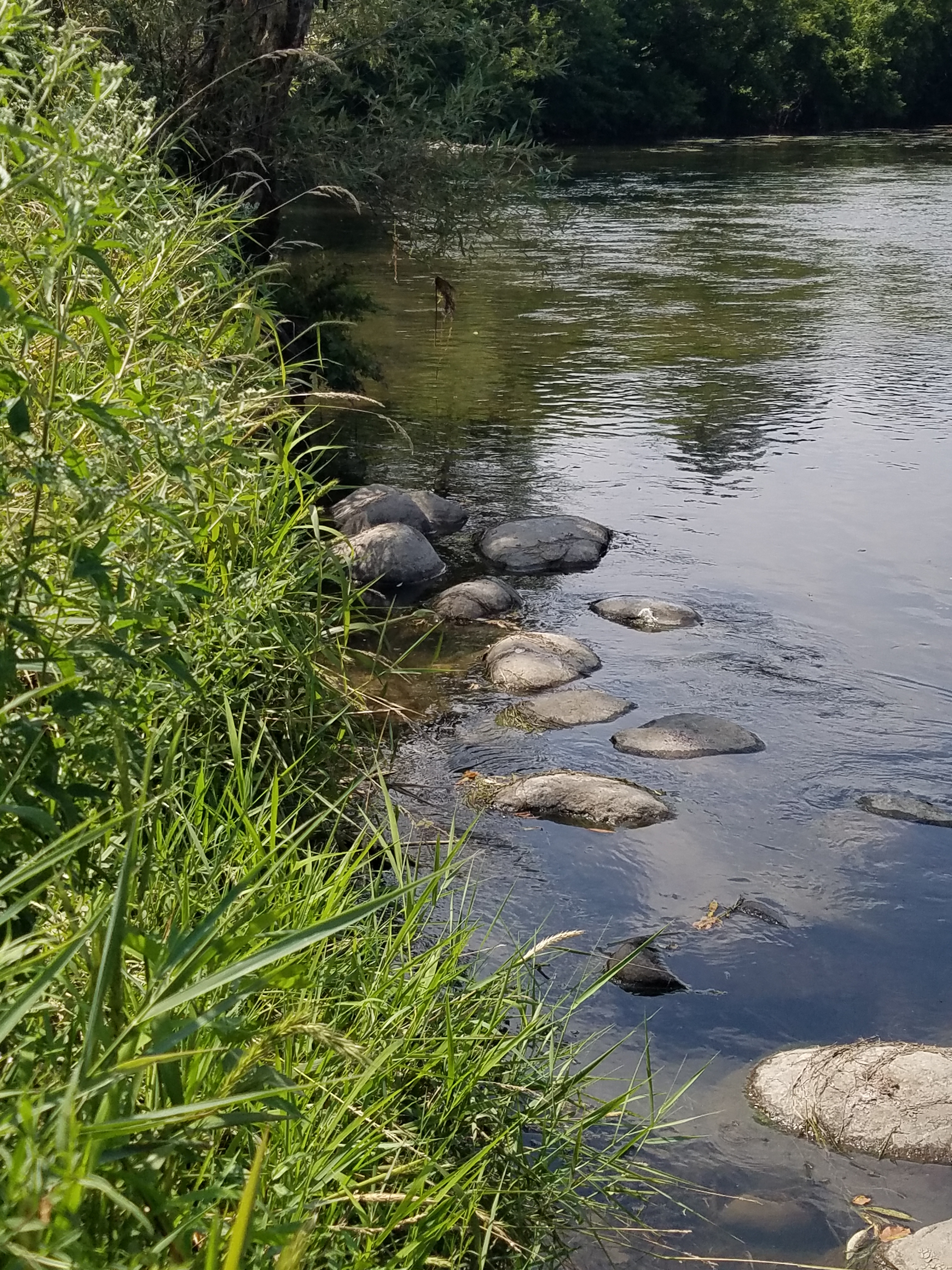
Pioneer Park is nestled along the DuPage River in Naperville. Bleck Engineering was tasked with the design of a two phase habitat restoration plan along the river. The design work for phase one included shoreline stabilization and boulder riffle outcroppings along the DuPage River. Phase two improvements included wet prairie, riparian woodland, and non-riparian woodland restoration within the floodway of the river.
Northwestern LFH – Support Services Building
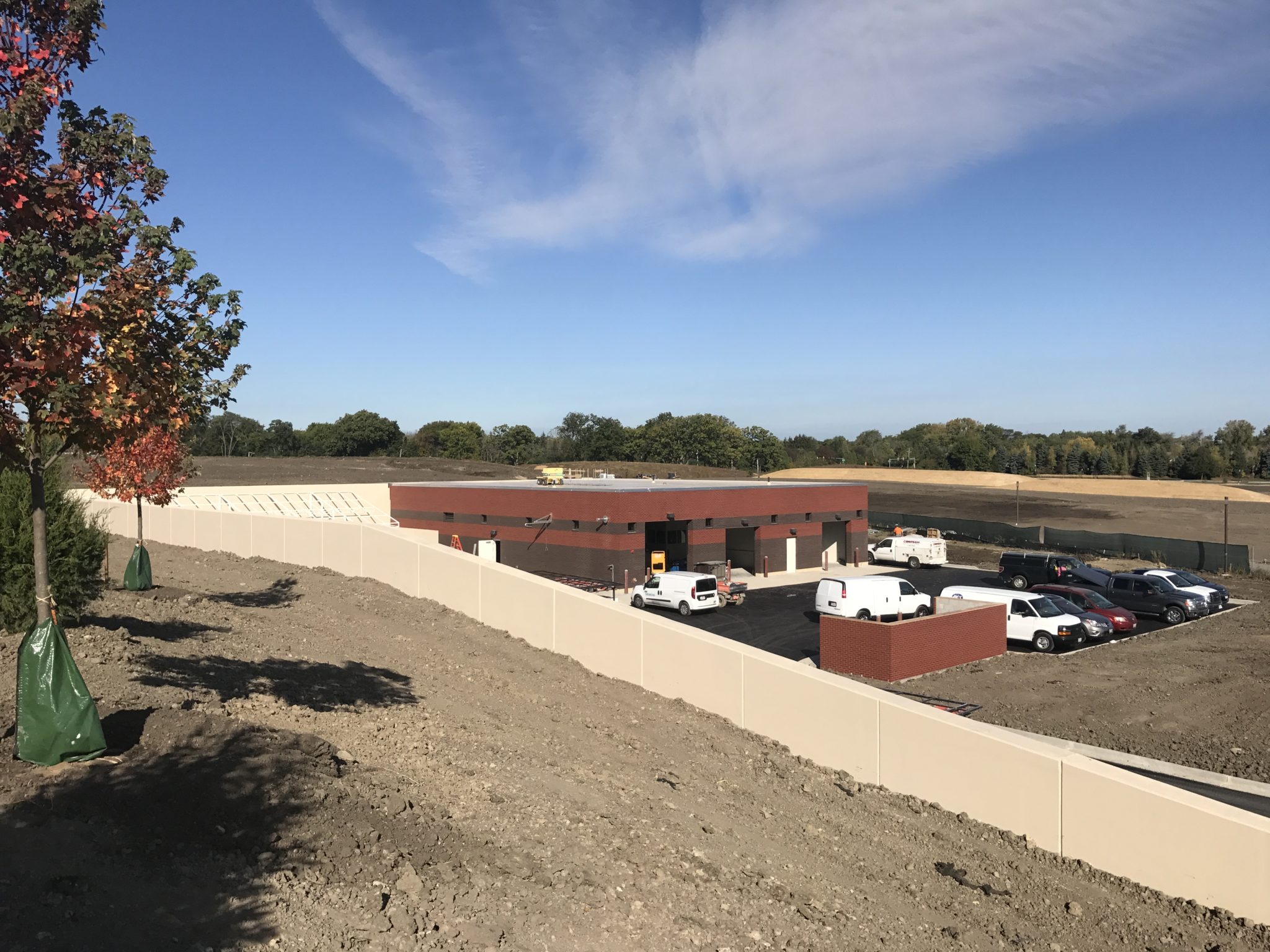
Site engineering for the new support services building and associated Parking Lot 4.